
By Lesedi Sibiya-Diplomatic Insider
In an open letter to South African President Cyril Ramaphosa, United States President Donald Trump said he will increase the trading tariff number from the initial 10% to 30% on all South African goods from the 1st of August in order to reduce the trading deficit between the two countries.
President Trump has expressed in the letter to President Ramaphosa that if South Africa wishes to retaliate then further hikes will be increased on South Africa. President Trump has also sent letters of a similar nature to leaders of Japan, South Korea, Myanmar, Laos, Kazakhstan, and Malaysia.
Trump posted the letter signed by him on his social media platform Truth Social stating; “We have had years to discuss our trading relationship with South Africa, and we have concluded that we must move away from these long-term, and very persistent, trade deficits engendered by South Africa’s tariff, and non-tariff, policies and trade barriers.” “Our relationship has been, unfortunately, far from reciprocal. Starting on August 1, 2025, we will charge South Africa a tariff of only 30% on any and all South African products sent to the United States, separate from sectoral tariffs.” The letter from Trump continues to explain.
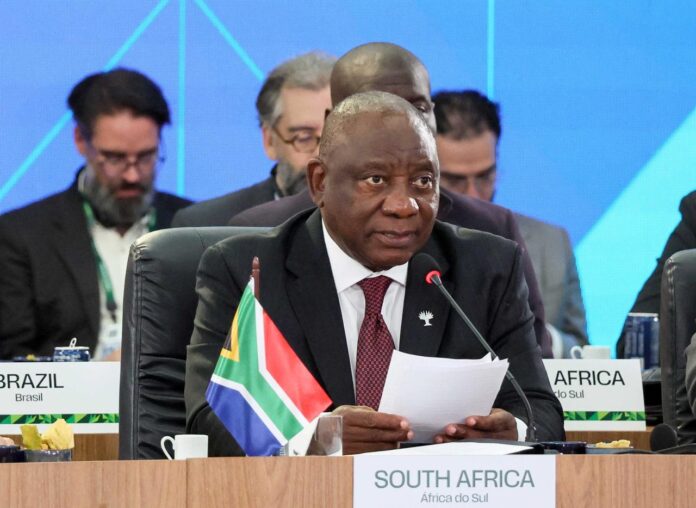
President Ramaphosa has responded to the letter sent by Trump by stating that the 30% reciprocal tariff is not an accurate representation of the available data when it comes to trade relations. According to Ramaphosa, the number of imported goods entering South Africa is an average of 7.6 %, with 77% of U.S goods entering the South African market. South Africa had proposed a new trade deal to the United States in May, the proposal offered commitments for U.S natural gas and fracking technology in exchange for duty free quotas for vehicles and steel. South Africa had also offered the United States farmers tariff free access to the local market counter seasonally (when South African fruit is not in season).
This framework proposal was denied by the United States, with the U.S opting to construct a new trade template for all African countries, which South Africa will have no choice but to adhere to. The United States has rejected further appeals for South Africa to negotiate a new proposal to the U.S.
“This framework deal addresses the issues initially raised by the U.S, including South Africa’s supposed trade surplus, unfair trade practices and lack of reciprocity from the U.S, the President urges government trade negotiations teams and South African companies to accelerate their diversification efforts in order to promote better resilience in both global supply chains and the South African economy.” said the Presidency in response to tariff increases.
On 2 April, President Trump initially announced that he would charge South Africa a 31% tariff on imports entering the U.S from South Africa. Key exports from South Africa to the U.S are gold and platinum, which are among the products that are exempt from this increased tariff package. Initially Trump had halted the implementation of these tariffs to allow countries to negotiate these terms thoroughly, however the closing date for negotiations was set to be from 9 July 2025. South Africa received a blow from Trump scrapping South Africa’s duty-free access under The Growth and Opportunity Act (AGOA).
Motor vehicles were among exports that were affected by the initial 10% with South African Revenue Service (SARS) releasing data showing a 30% fall in exports of vehicles and automotive accessories between April and May 2025 as opposed to last year’s figures around this period. However the biggest imports from the United States, which are vehicles, aircrafts and vessels, have remained unchanged during April and May 2025, with SA importing R4.3 billion in U.S oil and petroleum.
Despite this letter from President Trump, Ramaphosa has stated that South Africa will continue to engage in trade relations with the United States. “South Africa will continue with its diplomatic efforts towards a more balanced and mutually beneficial trade relationship with the United States.”