By Diplomatic Insider
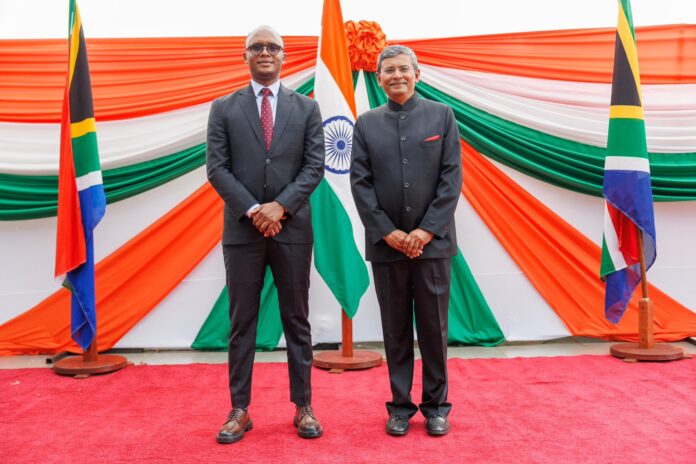
At the 79th Independence Day celebrations in Pretoria, India’s High Commissioner to South Africa, Prabhat Kumar, highlighted India’s economic rise from USD 270 billion three decades ago to USD 4 trillion today, making it the world’s fourth largest economy. By 2047, India aims to reach USD 30–35 trillion. He invited South Africa to be a partner in this growth, noting that bilateral trade has already crossed USD 18 billion alongside new cooperation in digital technology, energy and defence.
Ambassador Kumar described the friendship between India and South Africa as one “rooted in our shared history of resilience against colonial oppression, nurtured by visionaries like Mahatma Gandhi and Nelson Mandela who championed justice, dignity, and equality.” This legacy, he added, “continues to flourish today through robust political, economic, cultural and people-to-people ties.”
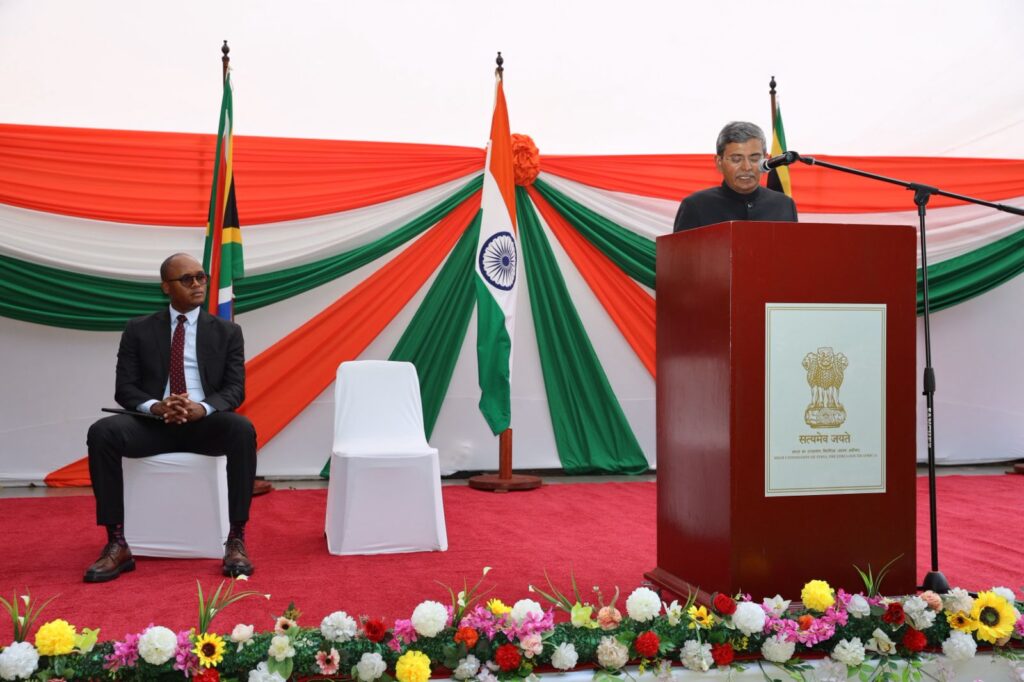
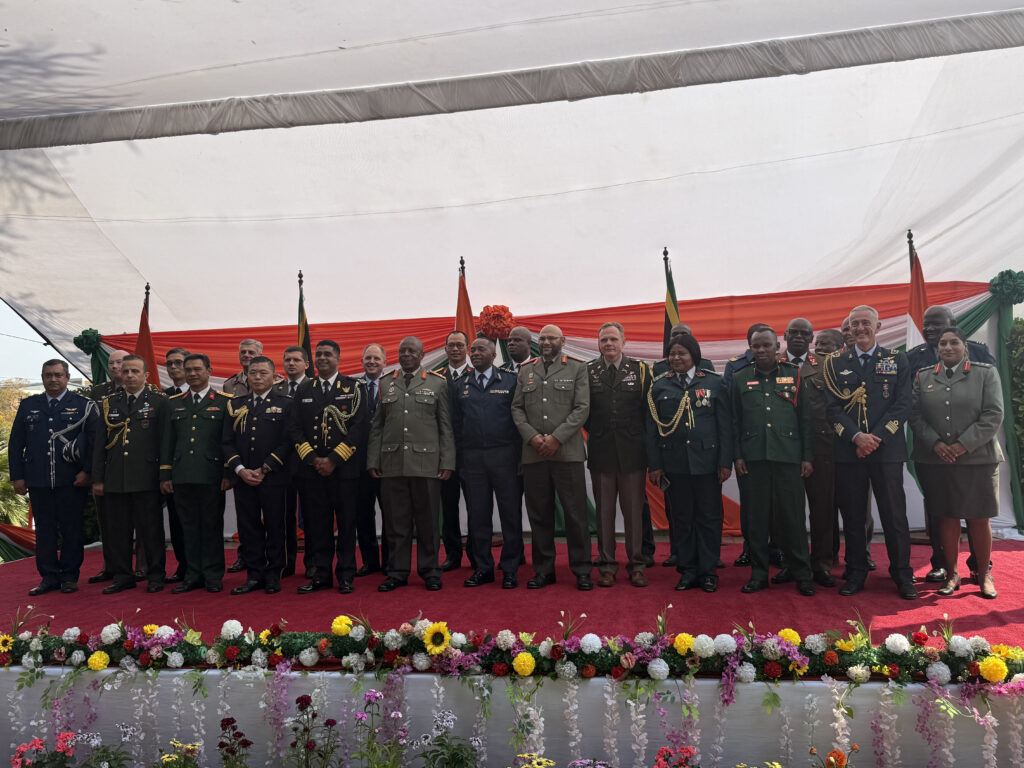
The event was attended by Minister of Communications and Digital Technologies, Solly Malatsi, who was the chief guest, as well as General Rudzani Maphwanya, head of the SANDF, parliamentarians, ambassadors, senior officials, and members of the Indian community. Kumar welcomed the gathering with greetings in several languages, saying, “Sani bonani, dumelang, molweni, namaste, vanakkam,” before thanking all present for joining the celebration.
The High Commissioner pointed to closer cooperation on global platforms such as the United Nations, BRICS, G-20 and IBSA, noting India’s active support for South Africa’s G-20 presidency. “Together, we are amplifying the voice of the Global South,” he said. He recalled visits that deepened political ties, including External Affairs Minister Dr. S. Jaishankar’s trip to Johannesburg in February, where he attended the G-20 Foreign Ministers’ Meeting and met President Cyril Ramaphosa. He also highlighted Solly Malatsi’s visit to India in October 2024 and the December 2024 visit by a 25-member South African delegation on digital technology cooperation. “Digital cooperation is fast becoming a new pillar of our partnership,” Kumar remarked.
Energy collaboration featured prominently in his remarks. He recalled the Matla-Urja Energy Conference in Johannesburg in November 2024, which saw participation from Indian and South African industry leaders. Agreements were signed between Eskom and Tata Power on plant innovation and modernization, and between the Africa Energy Leadership Centre and India’s National Power Training Institute to skill South African youth. “These are not just agreements, but investments in people and in the future,” Kumar said. He also drew attention to the Gandhi-Mandela Centre of Specialisation in Pretoria, which continues to train South African youth in technical trades, noting that every graduate has secured employment. Plans are underway to replicate the model in Mpumalanga.
On the commercial front, bilateral trade has reached $18 billion, making South Africa India’s top trading partner in Africa. “We want this partnership to go deeper, from boardrooms to small businesses,” the High Commissioner said. Defence ties have also strengthened, with the ninth Joint Defence Committee meeting held in June, the 12th round of navy-to-navy talks, and regular goodwill visits by Indian naval ships to Durban and Cape Town. The trilateral IBSAMAR maritime exercise also took place in South African waters with Indian and Brazilian participation.
Tourism and cultural exchanges added another dimension to the relationship. South Africa’s Tourism Minister Patricia de Lille visited India in December 2024 to launch a new trusted tour operator scheme. The Indian Film Festival South Africa (IFFSA) in Johannesburg and the International Yoga Conference in Durban drew large audiences. Environmental cooperation was highlighted by the successful intercontinental relocation of cheetahs from South Africa to India, followed by discussions between India’s Environment Minister Bhupender Yadav and his South African counterpart Dr. Dion George.
Closing his address, Kumar thanked all stakeholders for their contribution. “Friends, let me thank everyone who is playing a role in taking the India–South Africa relationship to greater heights,” he said, underscoring both countries’ commitment to building a future of shared prosperity.
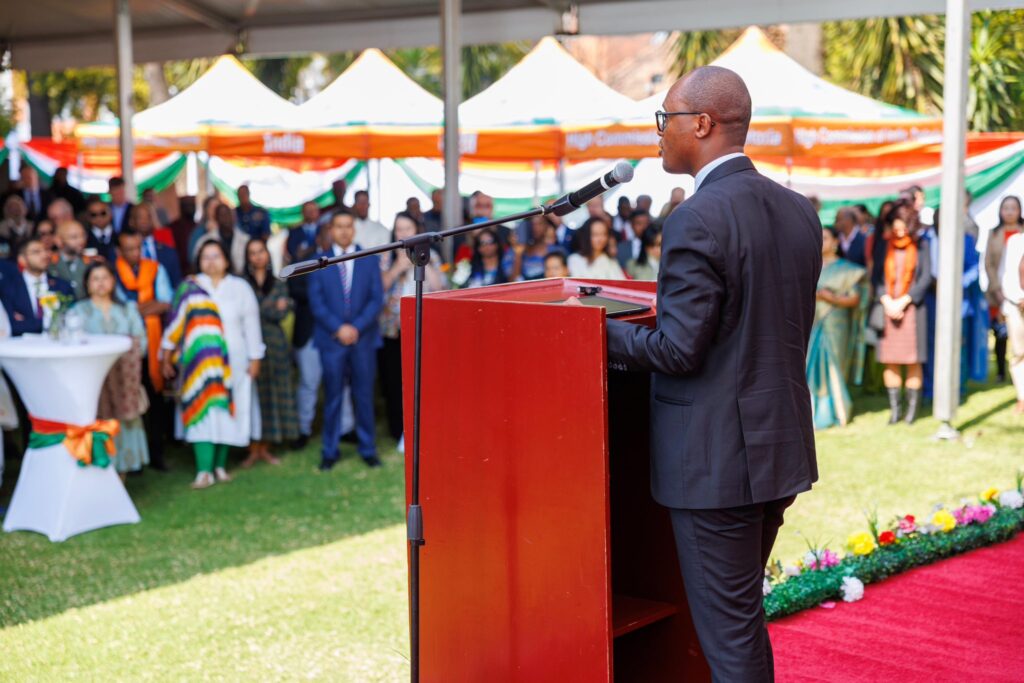
Minister Solly Moletsi delivered a heartfelt speech at the celebration of India’s Independence Day in South Africa, highlighting the deep historical ties between the two nations and the importance of innovation and technological cooperation.
Moletsi began by extending condolences to the people and government of India following a recent tragic aircraft crash that claimed the lives of 200 passengers.
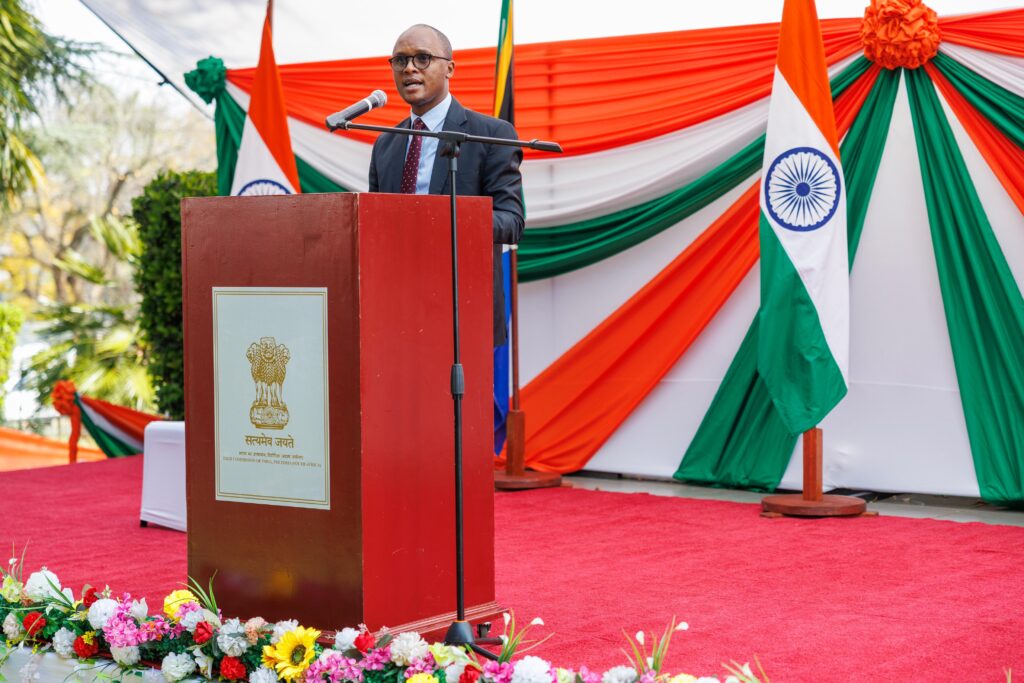
Reflecting on shared history, the minister noted the contributions of figures like Gandhi and Nehru in shaping India’s democracy and emphasized the historical links between South Africa and India. “It was here in South Africa that Gandhi refined the philosophy of satyagraha, the powerful weapon of non-violent resistance,” Moletsi said. He also drew parallels between Gandhi’s teachings and the philosophy of Nelson Mandela, stressing their ongoing influence on both nations.
Moletsi highlighted India’s rich cultural heritage, noting achievements from the Indus Valley civilization to the grandeur of the Mughal Empire. He said, “Today, India stands at the forefront of technology and innovation as a global leader with the power to transform the lives of its people and those beyond its borders.”
On the future of bilateral relations, the minister stressed technological and infrastructure collaboration. “India’s commitment and expertise enrich our bilateral relations, particularly in areas of digital technology and infrastructure, which hold the promise of new opportunities and the hope of improving the lives of millions of South Africans,” he said. He also praised India’s space program and other scientific advancements, emphasizing South Africa’s commitment to partnership in these fields.
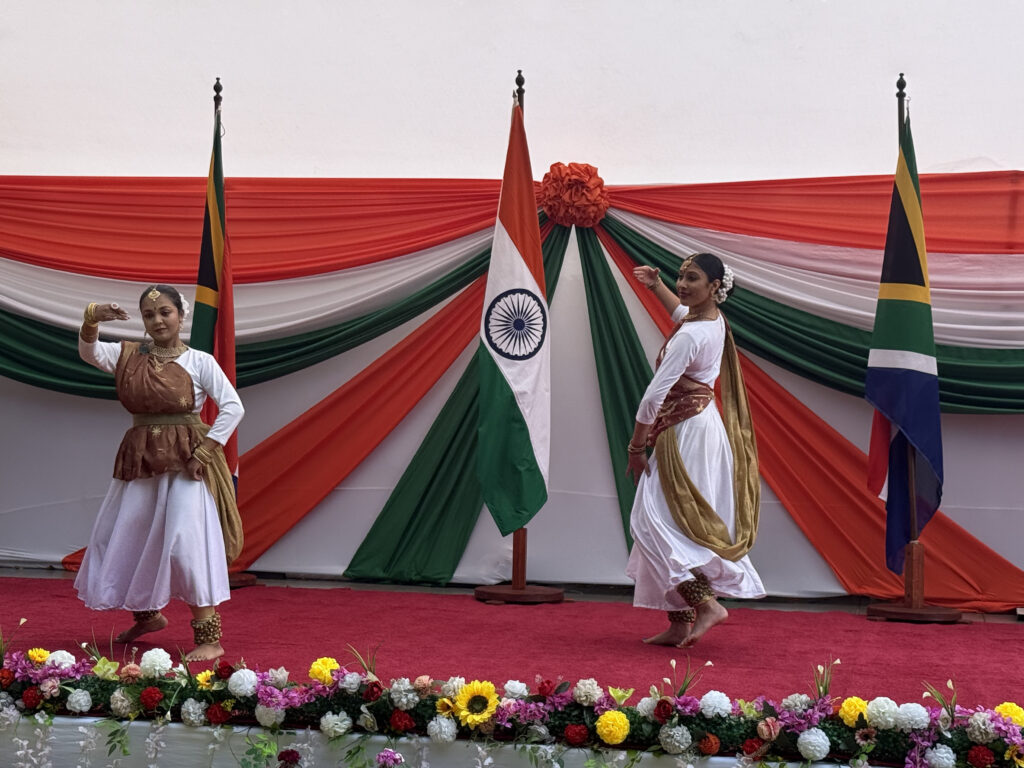
The celebration concluded with performances of traditional Indian dance, which delighted the guests, and a tasting of Indian cuisine, fostering cultural exchange and camaraderie.