By Lesedi Sibiya-Diplomatic Insider
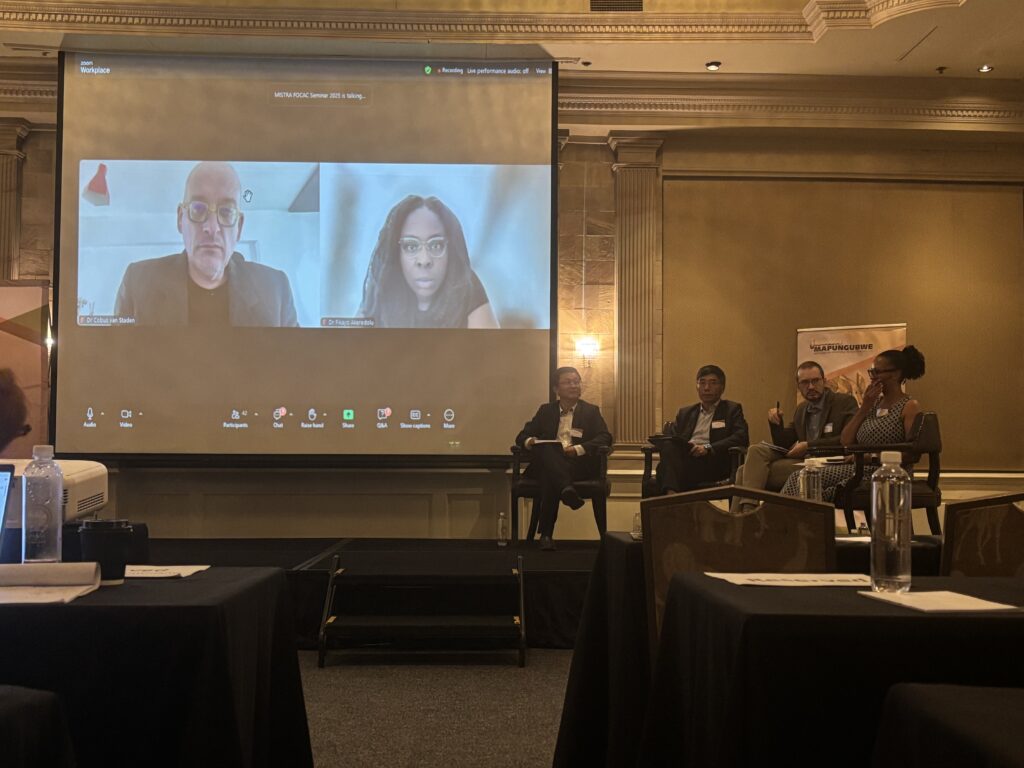
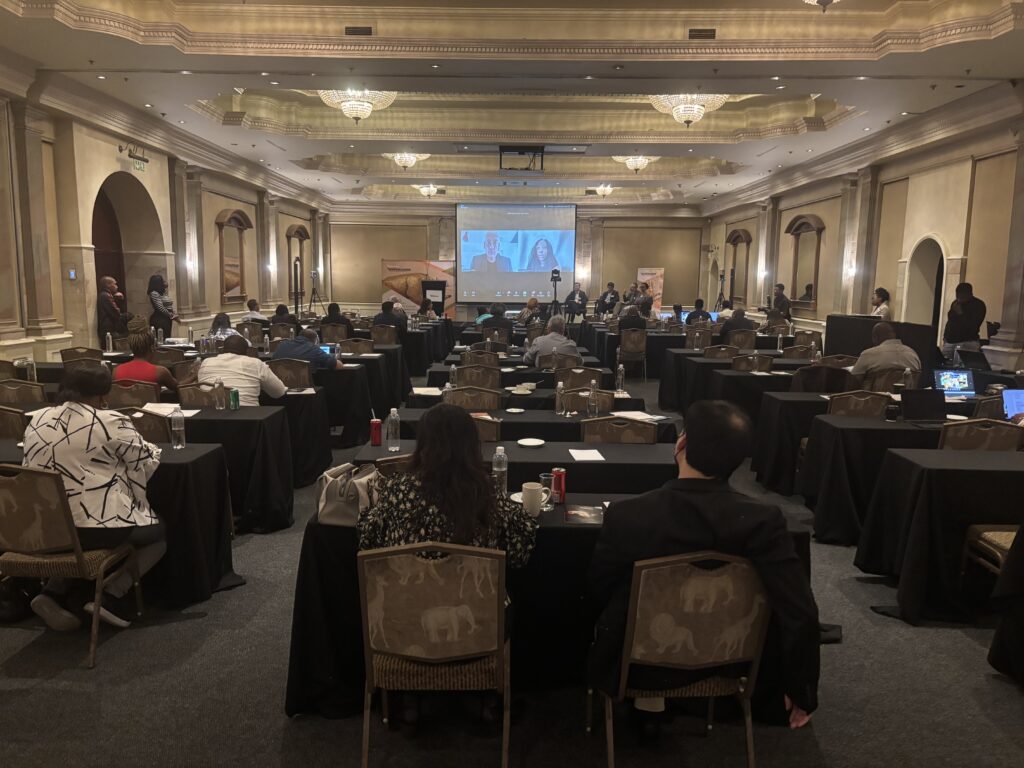
The Mapungubwe Institute for Strategic Reflection (MISTRA) held a seminar this morning regarding the reimagining of Africa’s modernisation at the CT Hotel (formerly known as the Sheraton Hotel) in Pretoria.
The aim of this event is to establish the best ways in which Africa is able to leverage and collaborate with China as strong trading partners, specifically in accordance with Industrialisation, Infrastructure, Green Energy and Ecologically Sustainable Modernisation.
Africa finds itself striving towards modernisation as they look to China for collaboration.
The summit is also meant to underline the severance in multi-lateralism between South Africa and America, and strengthen South Africa’s cooperation with China.
One of the aims is that Africa seeks to learn from Chinese policies instead of fully adopting them for Africa. The programme began with opening remarks from Executive Director for MISTRA, Mr Joel Netshitendze, who spoke of the aims of this event.
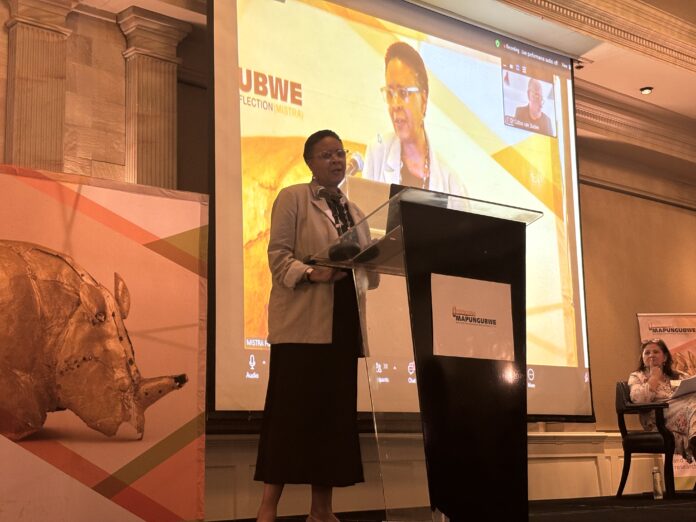
Then the proceedings had opened the floor for Deputy Minister of International Relations & Cooperation, Ms Anna Thandi Moraka.
“This seminar is more than an academic exercise, it is a call to action, it is an invitation to think differently and also it is a reminder that Africa’s modernization cannot be postponed,” said Minister Moraka in her opening remarks.
“This gathering is timely and strategic for us as a country due to the current geo-political climate that we find ourselves in. It provides us with a platform to reflect not only on Africa’s developmental trajectory but also on how partnerships particularly with one of Africa’s most important partners like the People’s Republic of China can be better harnessed to advance our collective aspirations,” Minister Moraka further added.
The programme then opened up the panel discussions, the first of which tackled Industrialisation and Infrastructure Transformation.
Dr Mmabatho Mongae of Good Governance Africa, gave some broad perspective on what development means as a whole as well as how it pertains to the African context.
Dr Mongae highlighted that the bottom 10 countries in the human development index are African countries, and further highlighted that Africa has the largest free trade area and a 1.2 billion person market.
In her presentation Mongae highlighted that although Africa is the second-fastest growing region, the pace is however insufficient for widespread social and economic development.
She also outlined that the average African today is poorer than the average world citizen. In 2025, Africa’s trade with China surged by 25% reaching $122 billion in 7 months.
In 2000, China was the biggest buyer of mineral commodities that it needed to fuel its economy. China also identifies Africa as an untapped consumer market for Chinese manufactured goods.
Mr Alec Erwin, Chairperson at UBU Investment Holdings, expressed that the key to solid industrialisation does not lie in the private sector alone, but also needs government participation as well Africa shifting its focus toward manufacturing.
“Industrialisation is a much more complicated process and really in this day and age, you need manufacturing, if you think of South Africa’s history we started industrialisation back in the 1880s with the gold mines, but that is not manufacturing,” said Mr Erwin.
Mr Erwin highlighted that the things that the government needs to focus on is the ecosphere, stating that modern manufacturing cannot take place effectively unless you have a developed system of standards.
The need for renewable energy is essential to Africa’s sustainable energy aspirations as solar energy is a leading prospect in achieving these prospects.
The JustEnergy transition is the tool that will unlock these prospects for Africa and will need to be fully implemented in order for Africa to achieve sustainable energy.