
Cape Town – In a powerful statement that could reshape education policy in the province, Western Cape Education MEC David Maynier has declared teachers the province’s “most valuable asset” during a major education gathering this past weekend.*
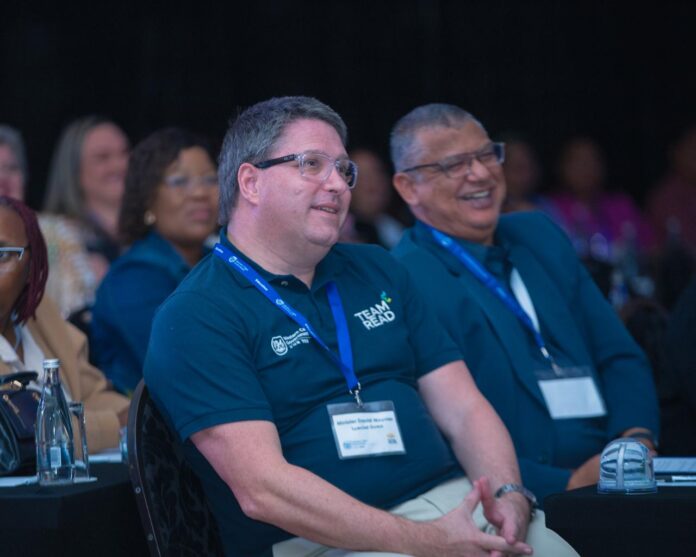
The declaration came at the “Scaling Quality Education: The Role of Teachers” event that brought together hundreds of Foundation Phase teachers, education officials, and experts in what many are calling a strategic shift in the province’s approach to educational development.
“Teachers are our department’s most valuable assets; however, it can now be said that teachers are the province’s most valuable asset,” Maynier stated, drawing applause from educators in attendance. “Everything comes down to what happens in the classroom.”
The MEC’s words signal a significant policy direction for the province, emphasizing direct investment in classroom teaching as the cornerstone of educational improvement. Maynier reinforced this position with a sports analogy that resonated through the conference halls: “Reject the 30-meter programme and invest in the 100-meter programme that brings about change in just one year.”
The event highlighted the strategic partnership between the Western Cape Education Department (WCED) and education NGO Funda Wande, with officials pointing to concrete results from this collaboration. “When government and external organisations like Funda Wande work together, it can result in change,” Maynier observed, suggesting the partnership model is delivering measurable outcomes.
Juan Benjamin from WCED’s Curriculum Management and Teacher Development division echoed the sentiment, focusing on the profound responsibility shouldered by educators. “Every day in classrooms we either build or we break each other,” Benjamin noted. “We will create the conditions in which learners will be built.”
The gathering also featured practical insights from Dr. Zelda Barends of Stellenbosch University, who emphasized the need for structured teaching approaches. “Learning to read and count is not natural or the same for all students,” Dr. Barends explained, advocating for “explicit instruction” that is “unambiguous and systematic” in its approach to foundational learning.
For the educators present, the event represented more than just another professional development day. Portia October, Funda Wande’s Western Cape lead, captured the emotional weight of the gathering: “Today was more than just saying thank you. It was a time of celebrating who teachers are and what they do, and seeing their appreciation as they were being appreciated.”
As the conference concluded, the words of education activist Malala Yousafzai seemed to encapsulate the renewed sense of purpose: “One child, one teacher, one book, and one pen can change the world.”
With the Western Cape now formally positioning its teachers as the province’s most valuable resource, education stakeholders will be watching closely to see how this declaration translates into concrete policy and resource allocation in the coming months.
Reporters (Taynita Harilal and Kelebogile Leepile)