By Lesedi Sibiya-Diplomatic Insider
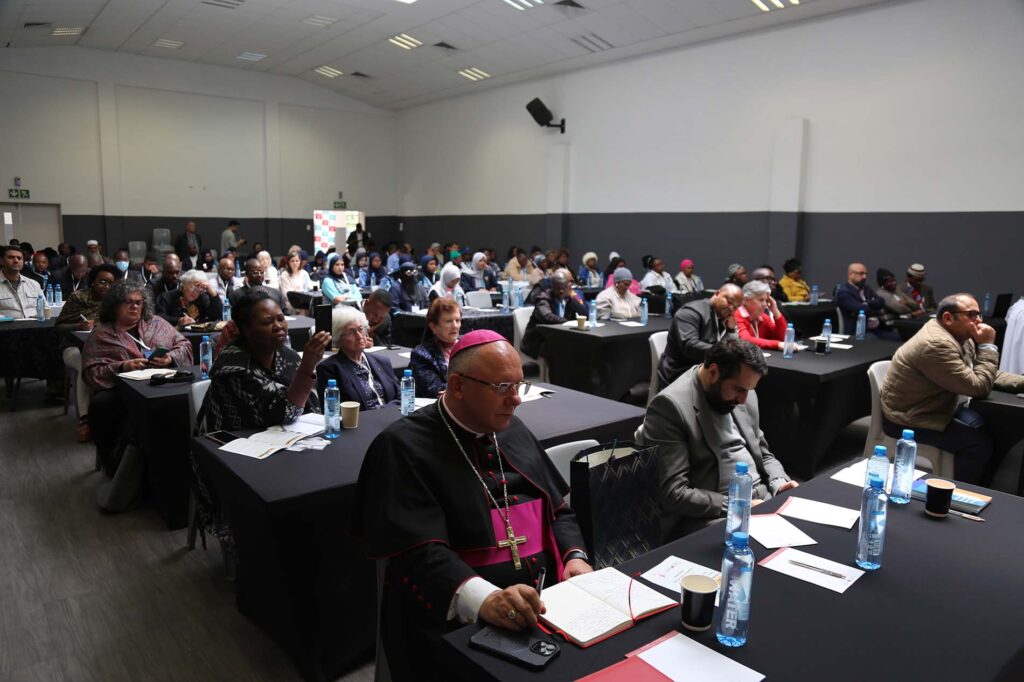
“Re-Reading Nostra Aetate” is a Catholic-Muslim interreligious conference aimed at promoting harmonious dialogue and mutual understanding between the Catholic Church and Islam. The event commenced at the Cathedral of Christ the King in Johannesburg, bringing together religious leaders, scholars, students, and members of the Church. Supported by the Southern African Catholic Bishops’ Conference and the Turquoise Harmony Institute, the two-day gathering began on 21 October 2025 and concludes today, 22 October 2025.
Nostra Aetate, is known as a Roman Catholic declaration which was first proclaimed by Pope Paul VI on October 28, 1965, which was aimed to foster spiritual renewal for the Roman Catholic Church, as well as to promote unity between Christians, Islam and Judaism.
“In our time, when day by day mankind is being drawn closer together, and the ties between different peoples are becoming stronger, the Church examines more closely her relationship to non-Christian religions. In her task of promoting unity and love among men, indeed among nations, she considers above all in this declaration what men have in common and what draws them to fellowship.” as per the first paragraph of Nostra Aetate.
The Nostra Aetate also dispels the notion that the Jews killed Jesus, as well as embrace other Abrahamic faiths such as Judaism and Islam. Nostra Aetate promotes the unity of family amongst humans.
The Council Fathers had expressed that all human beings were placed on Earth by God, as Nostra Aetate serves as a reminder that ultimately God is the objective of worship and understanding, regardless of which faction of faith one belongs to.
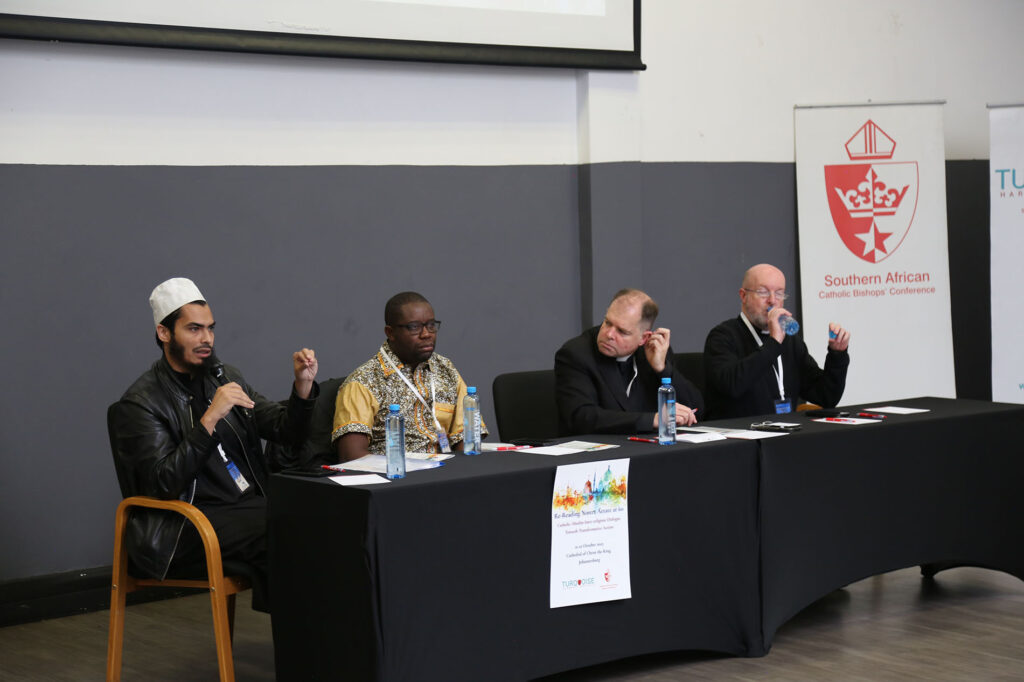
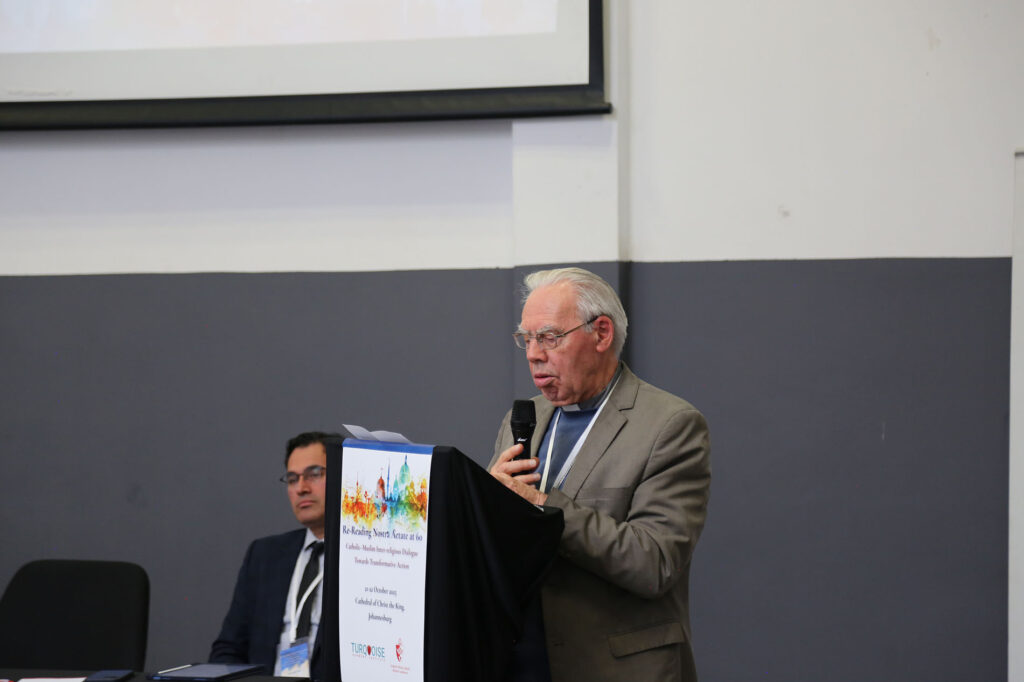
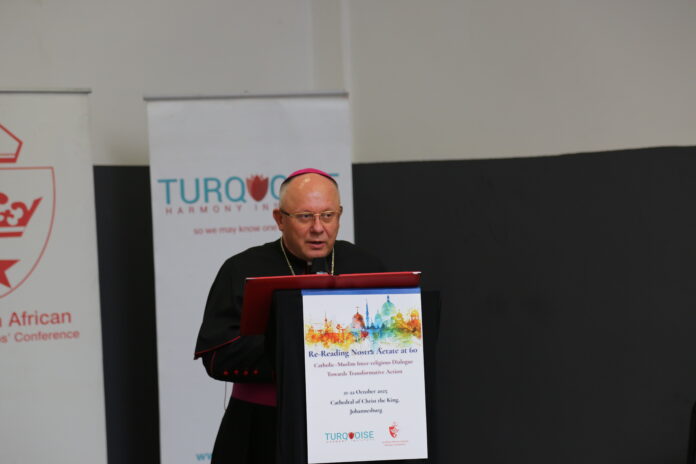
The conference was opened by Father David Mark Neuhaus who delivered a keynote address by giving background and context of Nostra Aetate and giving a brief history on the origins of this inclusive dialogue, to which after a panel discussion was opened to discuss the multifaceted history of Nostra Aetate.
Father Jones Kawisha had placed Aetate Nostra in the context of African culture and has urged collaboration and cooperation between Catholics and Muslims in the context of poverty and different social ills within Africa, as he explains this is more essential than pinning the two faiths against one another.
Qari Muhammed Yaeesh Ally, centered his address according to the understanding and reminder that Islam is not based upon novelty but rather a continuation of the word of God and a continuation of the teachings based upon Judaism and Christianity.
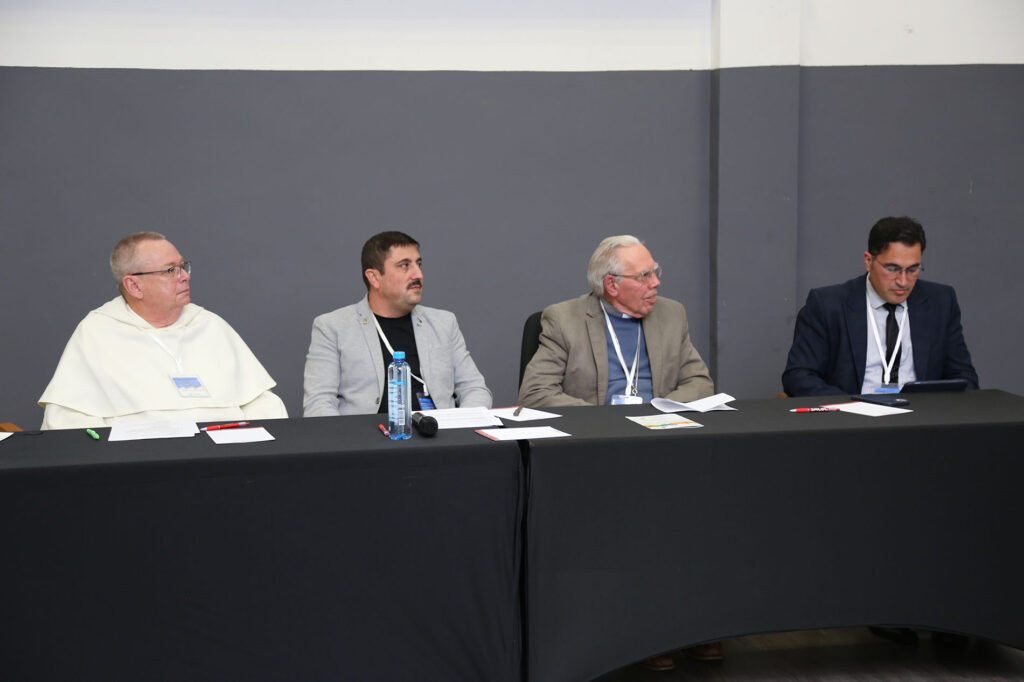
The second panel, which was chaired by Farouk Tonmen, spoke on better means of which to carry on the legacy of the teachings on Nostra Aetate.
Dr Cenap Aydin from the Tevere Institute in Rome, spoke on the Islamic side of the Nostra Aetate and expressed the imperative nature of holding dialogue in order to enhance perspectives on both sides of the coin and also explained that salvation also comes from the knowledge and acknowledgement of God.
He also called for an expansion of Catholic and Muslim collaboration with other faith communities, as well as collaboration with various secular organizations in order to address many conflicts and social misunderstandings that may come with a lack of space held for each sector to be heard and understood.
Bishop Jan De Groef highlighted the shift from believers who still have strong ties with the Catholic church, as from those who still identify with the church as a whole.
“There has been a marked shift from a majority of believers, with strong ties to the church, to a minority who still identify with it. Many today are indifferent to religion. Though some remain sensitive to values such as solidarity, justice and peace, a materialistic and pragmatic world view has taken hold, leaving little room for spiritual perspectives, also in the area of education, in the schools.” said Bishop Jan De Groef.
“A major challenge for both communities, I think, is engaging young people in a way that makes faith relevant to search for meaning and happiness” added Bishop Jan De Groef speaking on the lack of engagement of youth and calling for both Catholic and Muslim communities to reach out to the youth and create a space of relevancy for these faiths to thrive in the modern world.
Dr Aydin Inal giving a muslim perspective on keeping faith and realization of the relevance of faith.
“Many Muslims in the world argued for emulating the West, to catch up with them because of material progress…what I mean is with the rise of modernity and modern science and material progress, and with the reality that many Muslims learn, they lag behind in terms of material progress.” said Inal in his presentation emphasising how the progression of the Western side of the globe can deter the focus of many Muslims.
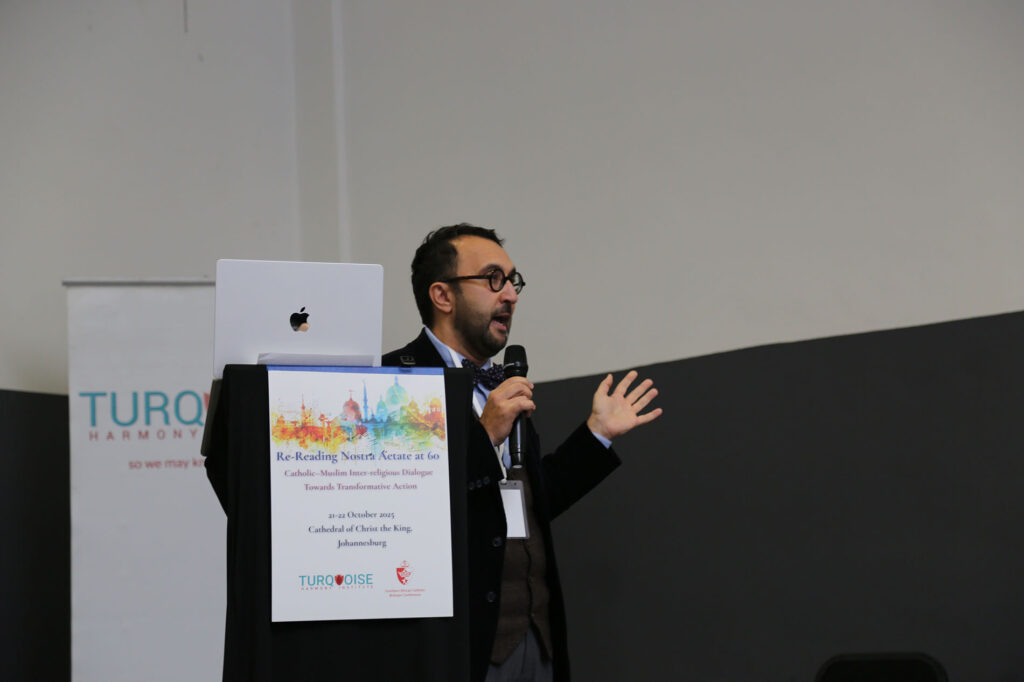
Speaking at the “From Declaration to Dialogue: Living the Legacy of Nostra Aetate Today” event, Turquoise KZN Director Mehmet Kaya reflected on the 60th anniversary of the landmark declaration, emphasising that its message remains profoundly relevant in today’s world. He said *Nostra Aetate* transformed how Christians and Muslims view one another by replacing suspicion with solidarity and isolation with encounter. Kaya added that genuine faith cannot exist without dialogue, describing it as “the oil that keeps the lamp of belief burning.” He urged faith communities to ensure that young people see one another not as rivals, but as partners in building a compassionate and just society.
Kaya highlighted the need for interfaith dialogue to evolve into meaningful action, especially among youth. He said the most powerful form of dialogue is shared experience — when young Christians and Muslims come together to create, serve, and learn from one another, faith becomes both visible and vibrant. Citing Rumi’s words, “The lamps are different, but the Light is the same,” Kaya called for that light to shine beyond churches and mosques, into communities, classrooms, and digital spaces, as a living testament to the enduring spirit of Nostra Aetate.
The first day concluded with a visit to the Nizamiye Mosque, where participants observed the evening prayer and deepened their appreciation of shared spirituality, followed by a gala dinner that celebrated interfaith friendship and cooperation. On the second day, the delegation visited an interfaith-run soup kitchen in Lenasia, where Catholic and Muslim volunteers jointly distributed food parcels and engaged with beneficiaries. The two-day programme closed in a spirit of solidarity and service, embodying the essence of Nostra Aetate through action, dialogue, and compassion.