
By Lesedi Sibiya-Diplomatic Insider
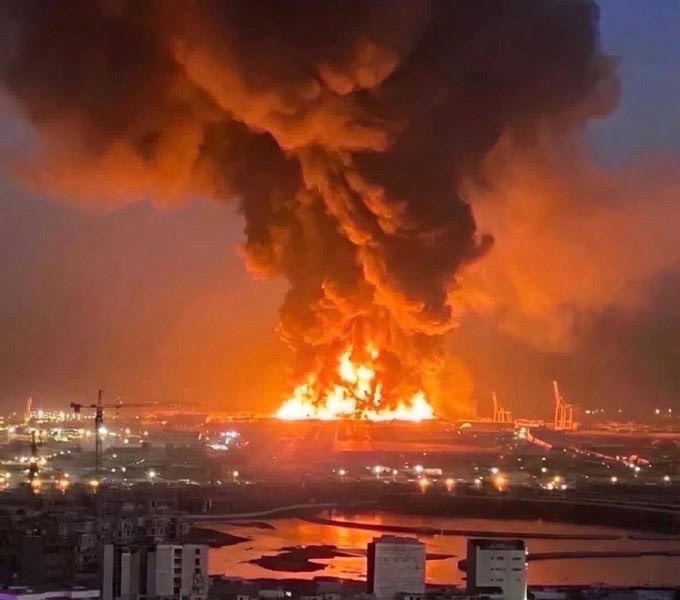
On Saturday, Israel had unleashed a wave of drone strikes which had killed the 86 year-old Ayatollah Ali Khamenei, and on Sunday had continued their attack on the Iranian capital Tehran, stating that they intend to dominate the skies.
With Iran having to assert their new leadership amid the death of Khamenei, they have vowed to avenge their leader and have declared that they will unleash a wave of strikes on the US bases in the Gulf, even though Trump has threatened further force.
President of Iran, Masoud Pezeshikan has declared that these attacks on his country and the killing of their beloved leader is seen as a “war against Muslims”.
“Iran considers it its legitimate duty and right to avenge the perpetrators and masterminds of this historic crime” said Pezeshikan. The head of Iran’s Supreme National Security Council, Ali Larijani had threatened revenge against the people who orchestrated these attacks which saw their leader killed.
“The brave soldiers and the great nation of Iran will teach an unforgettable lesson to the International Oppressors” said Larijani.
The death of the supreme leader saw many mixed reactions with some Iranians celebrating the death of the Ayatollah, however the vast majority collectively gathered in the heart of Tehran to protest the killing of Khamenei and proceeded to chant “Death to America!”.
The supreme leader, in his 36 year tenure, had built Iran as a anti-U.S state and had influenced many middle eastern countries to follow in this direction.
Khamenei was working in his office at the time of his death. The Chairperson of the African Union Commission, Mahmoud Ali Youssouf, has expressed deep concern over the conflict between Israel/United States against Iran. He has called for restraint, immediate de-escalation, and has also emphasised that all the parties involved will need to exercise constraint and act in accordance with international law.
The Department of International Relations and Cooperation (DIRCO) have stated that they still remain in communication with South Africans that are stranded on the Gulf Nations due to the ongoing conflict.
“So far we have not lost anybody. The South Africans we know of are all accounted for. We are monitoring the situation. But the challenge is that unfortunately is it not possible to move people out to those places because there is no means to do that” said Deputy Director General at DIRCO, Clayson Monyela.