

By Thobile Jiwulane
When South Africa’s Deputy Minister of International Relations and Co-operation Thandi Moraka stepped away from the SADC Council of Ministers’ gathering to attend an Iftar dinner at the Nizamiye Mosque in Johannesburg, the symbolism was unmistakable. Ramadan, a month of fasting, reflection, and renewal, provided not just a ceremonial backdrop but a moral stage for South Africa’s call to dialogue in a world increasingly defined by conflict.
Ramadan is not only a spiritual observance but also a social practice that emphasizes community, charity, and dialogue. By situating her remarks within this sacred month, Moraka drew on values that transcend political boundaries. The Iftar dinner, where leaders of divergent political and religious backgrounds shared a meal, became a living metaphor for reconciliation. Breaking bread together after fasting is itself an act of dialogue — a reminder that even adversaries can sit at the same table.
Moraka delivered a message that is in line with the Iftar dinner’s theme of Friendship and Dialogue, emphasising that diplomacy must prevail over force. Addressing the Muslim community and high profile guests at the close of a Muslim fast, she urged prayers for peace in war zones worldwide from the Persian Gulf to Ukraine, Sudan, and the Democratic Republic of Congo. Her appeal resonated with the spirit of Ramadan itself — a time when restraint, compassion, and solidarity are elevated above anger and division.
Ramadan as a Lens of Diplomacy With Local Resonance
Dr Aydin Inal, director of the Nizamiye Mosque, underscored this point in his opening remarks: “Ramadan is not only a time of fasting, but also a time of reflection, renewal, and reaching out to others. At Nizamiye, it has become a tradition to bring people together during this blessed month to facilitate dialogue, share meals, and strengthen connections between communities.” His words framed the evening as more than ritual; it was a civic act of bridge-building.
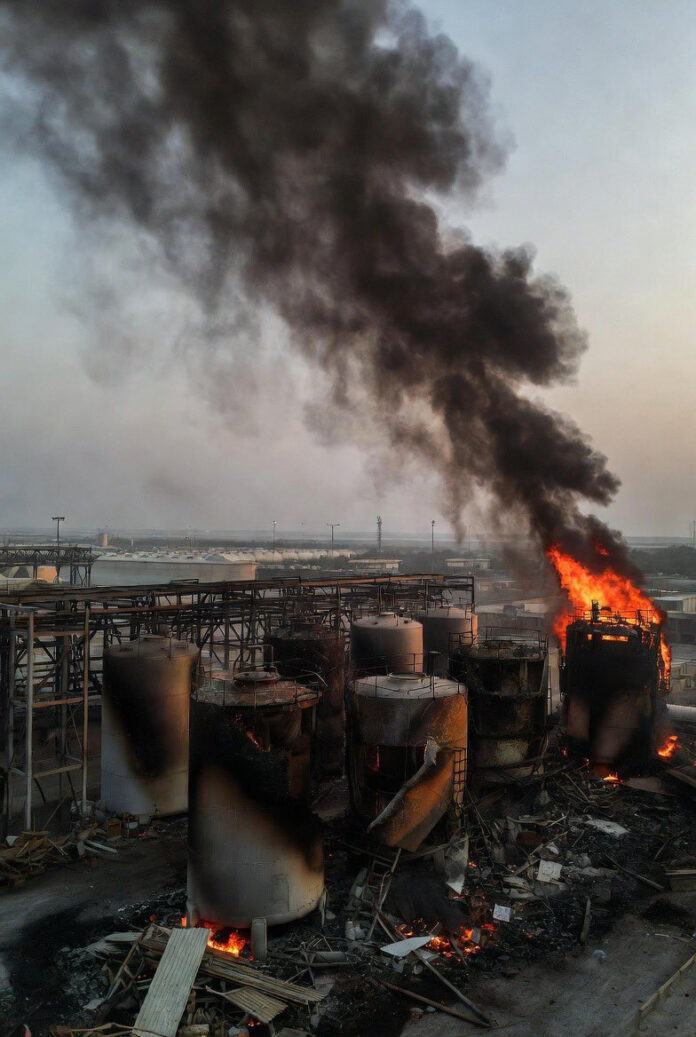
Moraka’s speech came against the backdrop of escalating tensions in the Persian Gulf, where the United States, Israel, and Iran remain locked in confrontation. Her call for dialogue was not abstract. It was grounded in South Africa’s foreign policy tradition — Pan-Africanism, respect for the rule of law, human rights, and democracy — principles that have shaped the country’s reputation as a mediator and moral voice in global affairs. South Africa’s approach also has its roots in the country’s pre-democracy dialogue where statutory political parties and liberation movements organisations opted for peace talks instead of confrontation resulting in the birth of a democratic state that is underpinned by a constitution with a celebrated bill of rights
Yet the resonance of Deputy Minister’s appeal was amplified by Ramadan. Across the Muslim world, families breakfast under conditions of war, displacement, and economic hardship. In Gaza, Khartoum, or refugee camps in the Sahel, the rituals of Ramadan unfold amid violence and uncertainty. By invoking prayers during Ramadan, Moraka aligned South Africa’s diplomatic message with a shared spiritual calendar, making the appeal more universal and emotionally charged.
Domestic Diversity and Dialogue
The Iftar dinner also highlighted South Africa’s own pluralism. Thirty years after the advent of democracy, the country continues to wrestle with inequality, corruption, and political fragmentation. Yet it remains a nation that embraces religious and cultural diversity. The annual Ramadan dinners at Nizamiye Mosque in Johannesburg, have become unique platforms where political rivals, community leaders, and faith representatives meet in peace. Previous guests have included ministers, premiers, and opposition figures — all drawn together by the ethos of dialogue.
Helen Zille, DA federal council chairperson and Johannesburg mayoral candidate, captured this spirit in her remarks: “What makes Islam unique is the extent of the discipline that is put into following the faith and I do believe that is an important contributor to the very notion of faith.” She thanked the organisers for convening people “who are often on different sides of the political fence,” noting that beneath the surface of political animosity lies a shared desire for a better future.
In this sense, Ramadan becomes a mirror for South Africa itself. The discipline, reflection, and charity associated with the month echo the values needed to sustain democracy: tolerance, coexistence, and a commitment to dialogue. The Iftar dinner, with its theme of “Friendship and Dialogue,” embodied these principles in practice.
Contrasting Ideals and Realities
Moraka’s juxtaposition between Ramadan’s ideals and the global realities is stark. Ramadan calls for restraint, yet military force increasingly dominates international relations. Ramadan emphasizes charity, yet economic strain and corruption deepen inequality. Ramadan celebrates community, yet wars fracture societies and displace millions. By speaking during Ramadan, Moraka sharpened this contrast, reminding her audience that the erosion of dialogue is not inevitable — it is a choice. Her reminder that South Africa’s freedom “did not come to us on a silver platter” reinforced the point. Just as democracy was won through sacrifice and dialogue, so too must peace be pursued through patience and negotiation. Ramadan’s discipline becomes a metaphor for the discipline required in diplomacy.
The Broader Implication and Lessons for South Africa
The significance of Moraka’s presence at the Iftar lies not only in the message she delivered but in the setting itself. In a polarised world, spaces that foster dialogue across divides are rare. The Nizamiye Mosque, through its tradition of hosting diverse leaders during Ramadan, has become one such space. Its philosophy of Hizmet — selfless service inspired by faith and love for humanity as outlined by Dr Aynal— offers a model for civic engagement that transcends politics.
For South Africa, the lesson is twofold. Internationally, its voice for dialogue gains moral weight when framed through traditions like Ramadan that emphasize restraint and compassion. Domestically, its democracy is strengthened when political, religious and cultural diversity is not merely tolerated but actively celebrated as a source of unity.
Ramadan provided more than a ceremonial backdrop to Moraka’s appeal. It was the thematic anchor that gave her words depth and resonance. In a month defined by fasting, reflection, and charity, her call for dialogue carried added weight — echoing the discipline and solidarity that Ramadan demands of its faithful. The Iftar dinner itself, a gathering of political and religious leaders across divides, embodied the very principle of dialogue she urged in the Persian Gulf conflict. In a world where dialogue is eroding, Ramadan reminds us that restraint, compassion, and community remain possible. South Africa’s diplomatic voice, framed through this sacred month, becomes not just a call for peace but a testament to the enduring power of dialogue.