
By Lesedi Sibiya-Diplomatic Insider
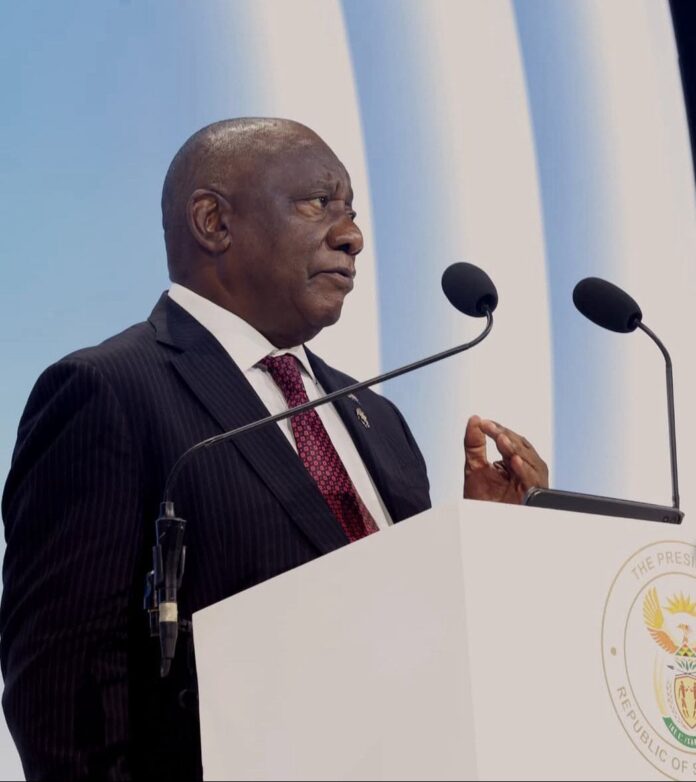
The Constitutional Court ruled on Friday to revive the impeachment inquiry into President Cyril Ramaphosa due to the Phala Phala farm robbery scandal in which a large sum of money was stolen from underneath a sofa in 2020.
Markets are expected to keep a close eye on the moves in the coming week regarding the instability of the Government of National Unity with Ramaphosa’s case being a key concern.
In 2022, the African National Congress (ANC) had prevented an impeachment committee from being assembled in order to launch an investigation on the Phala Phala matter. The key concern in question is how Ramaphosa was able to acquire a large sum of physical cash, including whether he had declared and why he would opt to conceal the money instead of depositing it into a bank account.
Ramaphosa has maintained that no wrongdoing had taken place as he explained that the money was proceeds from a Buffalo sale at his farm. The court validated that the means of preventing the impeachment process to take place had infringed on the constitution and that the committee’s assembly is now an obligation.
An impeachment vote requires a two-thirds majority and despite the fact that the ANC has lost its majority in the 2024 national election, it still holds one-third of the seats in the National Assembly.
In 2022, an independent panel of experts had found significant evidence of misconduct by Ramaphosa and had caused the opposition to call for his resignation. The most prominent opposition party that had made these calls and brought this matter to the Constitutional court in the first place, the Economic Freedom Fighters (EFF) had spoken to the speaker of the National Assembly on Friday with a request to set up the impeachment committee immediately.
The Executive Secretary of the Council for the advancement of the South African Constitution, Lawson Naidoo, has highlighted that this impeachment committee’s work would be much more detailed, which will most likely take several months.
Even if some members of the ANC voted against Ramaphosa, specifically Nkosazana Dlamini-Zuma who had voted to have the impeachment committee assembled, it still may not be enough to vote in favour of Ramaphosa’s impeachment.
In order for Ramaphosa to be impeached it would require the ANC to wholeheartedly turn against Ramaphosa in the vote process. Since Ramaphosa is the central figure to the current GNU, concerns are looming over if the President is removed or impeached, would the coalition government still be able to survive.
If Ramaphosa is removed as President, then that would mean the departure of the Democratic Alliance (DA) from the coalition which would force the ANC to work with the EFF and MK party.
This reality may cause discomfort for the ANC as these parties are led by former ANC members who have betrayed the trust of the party.
The coalition negotiations are likely to break down between ANC, EFF and MK due to lack of trust which would mean that early elections would have to take place.
If an early election process takes place then ANC is most likely to end up with less power than it has now. The ANC would also have to elect a new leader, as Paul Mashatile does not have the necessary backing to take up the position at this stage.