By Lesedi Sibiya – Diplomatic Insider
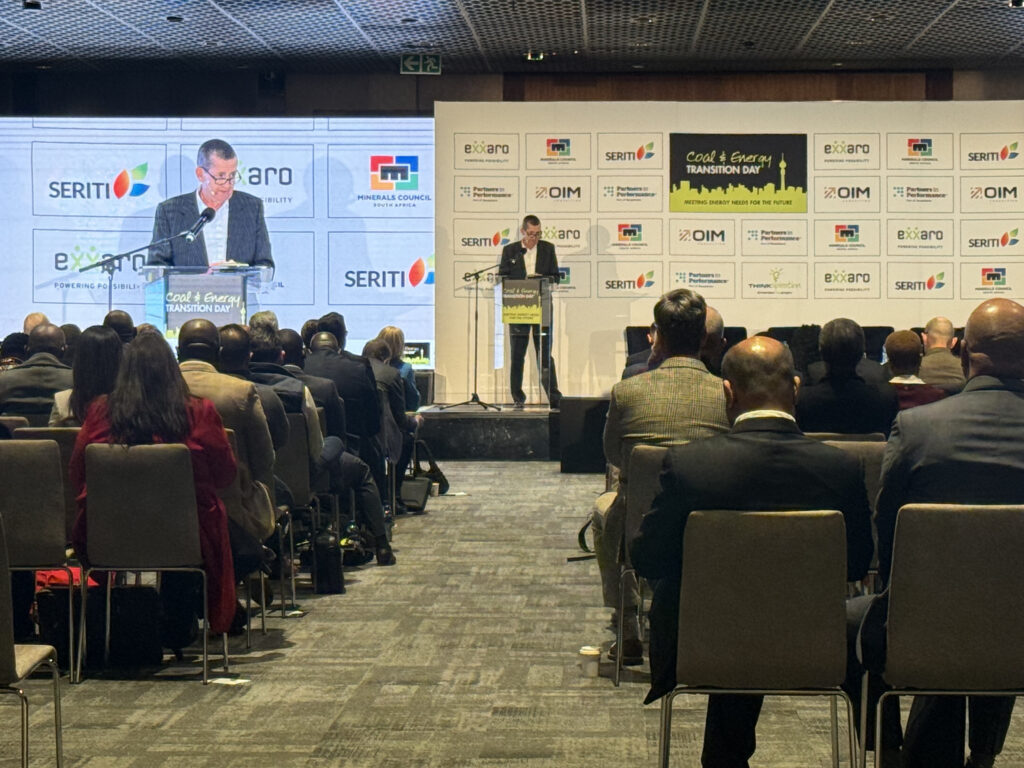
The Coal and Energy Transition Day, a high-level event centred on fostering dialogue around stabilising energy security, was held today at the Houghton Hotel, Johannesburg. It brought together prominent leaders in government, coal producers, Transnet, Eskom, alternative energy providers, and investors.
As the world faces rising conflicts, supply chain disruptions, and a host of geopolitical tensions, the Coal and Energy Transition Day continues to play a key role in reaffirming the importance of global energy security and the urgent need for clean energy resources. The event focused on the geopolitical and economic factors contributing to the urgency of energy security, and what some of the implications may be.
Silas Zimu, CEO of Suzlon Wind Energy, delivered the keynote address on the critical role of renewable energy in achieving energy security for South Africa.
“Everything that has to do with energy, has to do with population. Our population is growing and shows no signs of reducing… when you look at the stats, the result is population growth. The population does not only refer to the number of people—it’s about demand,” said Zimu in his opening remarks.
He further emphasised that fast-tracking renewable energy is essential for creating a stable baseload.“Fast-track the rollout of renewable energy. With our early experience, mixed with battery storage, it can be a baseload,” he said. Zimu also added that current electricity tariffs are not in the best interests of the public, stating: “Something we need to look at is the tariff… we still have 20 million-plus people receiving an R375 grant per month, while the average electricity cost is R600. What are we saying to these people?”
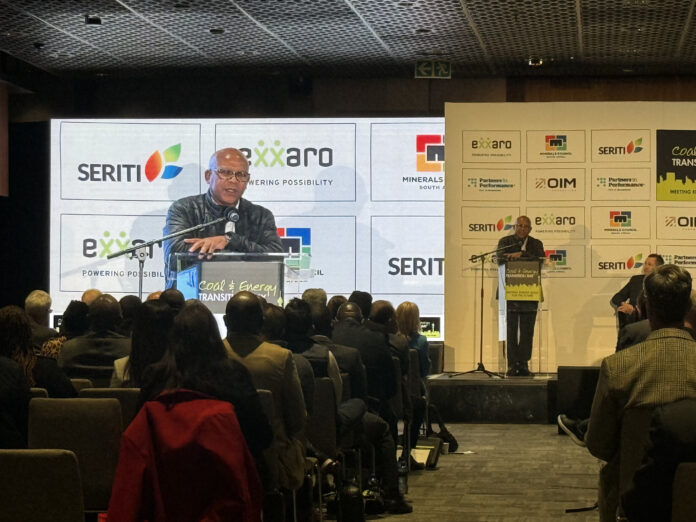
Mike Teke, Group Chief Executive of Seriti Resources, expressed that this year the fatalities in the coal industry has dropped and emphasised the amount of work being done in ensuring that this remains consistent; “In our mining industry right now, our safety record has improved substantially, we are heading into the month of August, as the coal industry is sitting at zero fatalities, and we are hoping we can stay at zero throughout.” Mr Teke has also addressed that Eskom is not going to be left stranded despite the influx of coal being exported.
Vuslat Bayoglu, Managing Director of Menar, highlighted that electricity generation through coal has steadily increased over the years. “Electricity generation from coal is at an all-time high at the moment—10,700 terawatt hours in 2024. India: 73% coal, China: 58% coal, Southeast Asia: 46%. Globally, electricity demand increased by 4.3% in 2024, a step up from 2.5% in 2023,” said Bayoglu. He also noted that although many regions still rely heavily on coal, all forms of energy must be embraced. “We need all forms of energy—the demand is expanding. Coal has seven lives, that’s what I believe. It has its cycles; it goes up, it goes down, but at the end of the day, it survives… We have to accept that we need all forms of energy, and we must ensure we use it in the right space, in the right form, and with the right technology,” added Bayoglu.
Andy Sherring, CEO of NextGenOpx, expressed concern over declining productivity across the mining industry, noting that the issue is not unique to South Africa.
“I think this is a general problem in the mining industry globally, from what I’ve seen. Some of the external factors in South Africa make it worse, but generally, this applies to the mining industry. I think there’s been a profound change over the past twenty years or so,” said Sherring.
Mr Sherring believes that the mining industry is no longer as tightly managed as it once was, citing issues such as disengaged team leaders and a shift in focus from collective goals to individual interests. “I think it’s the nature of teams and the nature of leadership. I think we got distracted, and operations are not run as tightly as they used to be.
We’ve become obsessed with initiatives… we’re chasing after symptoms, looking for quick wins, and addressing the symptoms without dealing with the fundamental causes of the problems and the decline,” Sherring added.