
By Lesedi Sibiya-Diplomatic Insider
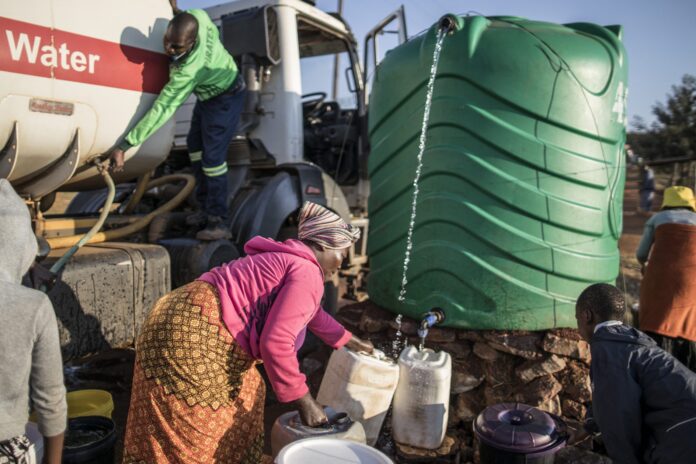
South Africa’s biggest cities, namely Johannesburg, Cape Town and Durban have been ravaged with water crisis, with repairs and maintenance of water facilities underway this month in an attempt to keep their ageing infrastructures afloat and steady.
One of the key issues to the lack of healthy water supply in these major metros is illegal connections within their pipelines and financial stability in accordance to maintaining the pipelines.
In regards to Cape Town, from the 27th to the 5 November, the city of Cape Town’s water and sanitation department will begin their maintenance plans. The affected areas will include Kulis River, Fish Hoek, Delft, and Woodstock.
The residents of these affected neighbourhoods have been advised to store water in advance as the scheduled shut offs are expected to go up to ten hours in certain areas. The city’s water department team will conduct pipe and valve installations.
“The aim is to ensure the future continuity of water supply by addressing the issue of unaccounted-for water” said the City of Cape Town in a statement.
It is said that the maintenance work will include zero water pressure tests and conditional assessments, which may temporarily disrupt supply however it will be aimed at identifying weak points in the network and preventing further failures in infrastructure.
Johannesburg intends to solve its water by removing illegal connections, amending issues regarding non-payment, and restoring the decaying infrastructures. “One of the most significant developments is the ringfencing of Johannesburg water as a trading entity, ensuring greater accountability and efficiency” said City of Joburg Mayor Dada Morero.
The Presidency as well as the National Treasury will move for the water utility company to manage its own finances and revenue collection. Three informal settlements have already been disconnected from illegal water networks as part of the enforcement efforts.
The City of Johannesburg is also partnering with relevant private entities to drill boreholes in high demand areas as well as to restore and repair reservoirs and wastewater treatment plants.
In Durban, the eThekwini Municipality has waged a “war on leaks”. In early October the Water and Sanitation Department isolated the Northern Aqueduct which serves as one of its major pipelines, in order to repair a major leak in the Piesang River and to repair three minor leaks further down the line.
The shutdown lasted a total of 27 hours and affected areas such as Phoenix, KwaMashu, Umhlanga and Durban North. The city had moved to allocate R40 million in its 2025/26 budget in order to restore 22 pipelines that are susceptible to leakage.
According to municipal statistics more than 1000 bursts and leaks were repaired across three wards, a sign of the amount of decay that these infrastructures have endured.
In each of these metros their respective municipalities have urged their residents to store water in advance in order to endure the shut-offs, and to use healthy and clean containers, as well as do their part in reporting leaks.