By Lesedi Sibiya-Diplomatic Insider
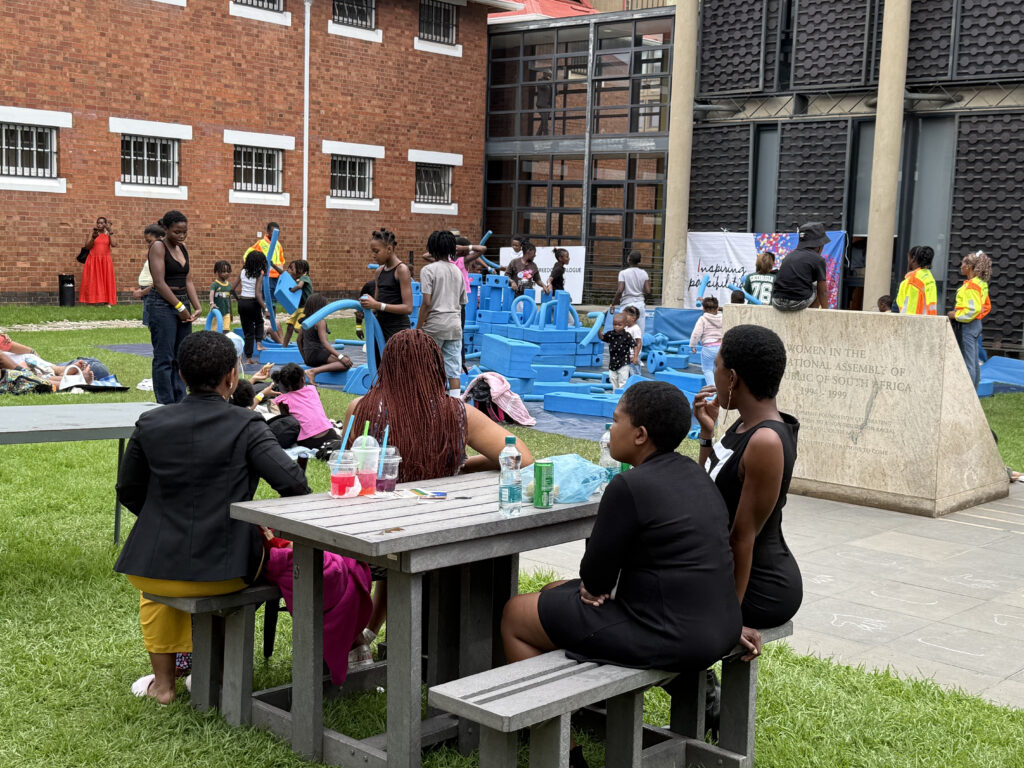
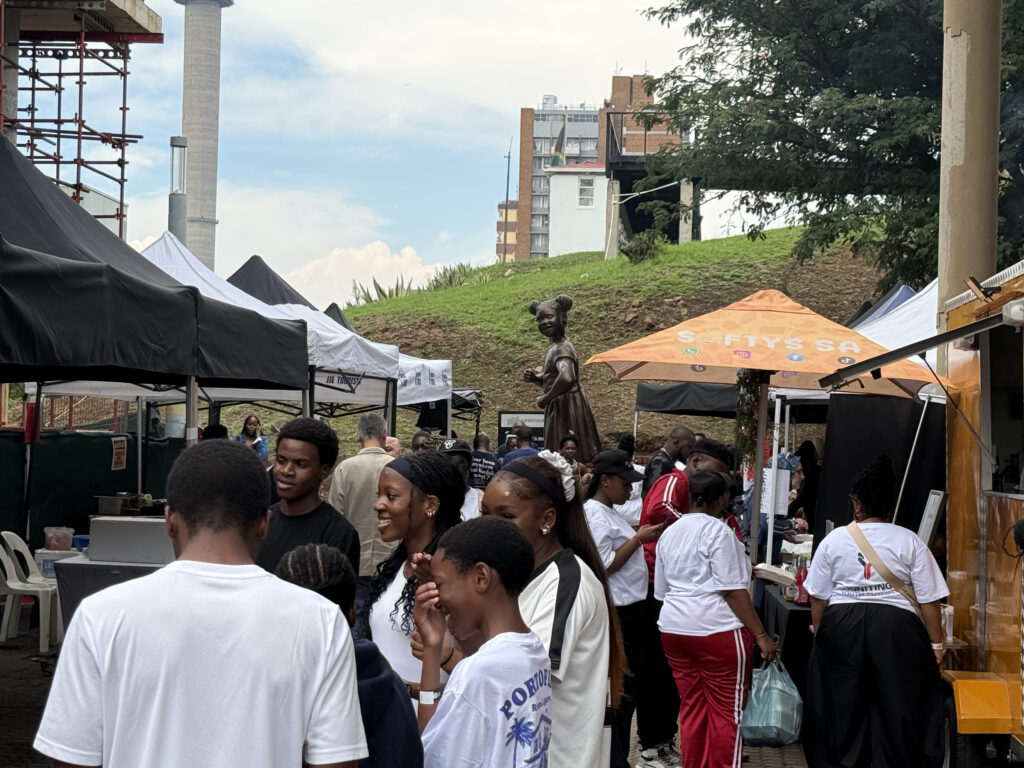
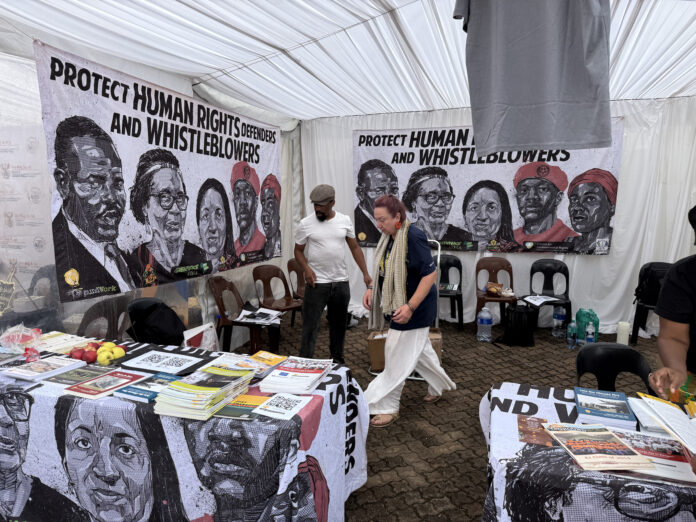
The Human Rights Festival concluded this weekend which ran from 27-30 March 2026 hosted at Constitution Hill as it marked its 8th instalment and has proven to be a monumental form of commemoration on Human Rights month.
“[The Festival] seeks to honour the legacy of those who fought for human rights while creating greater awareness of the importance of active citizen participation” said Janine Muthusamy Marketing Manager at Constitution Hill.
The1960 Sharpeville Massacre was held in remembrance at the festival, with the guided theme being “Remembering the past. Engaging the Present. Shaping a just future”.
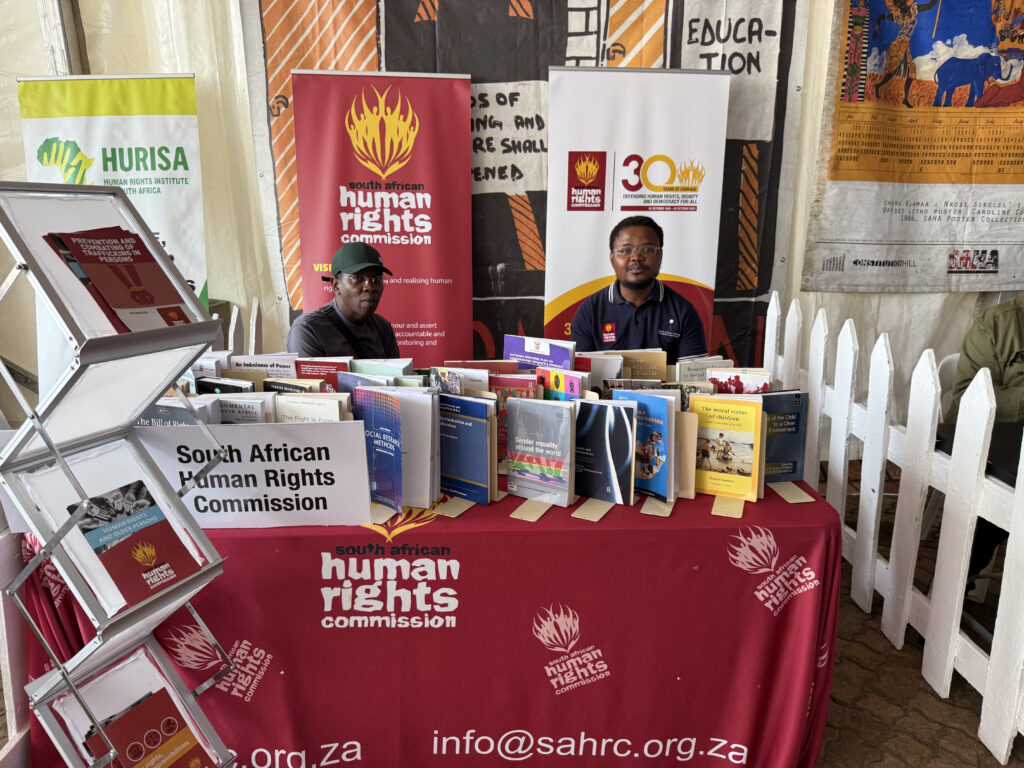
A wide range of institutions built their stalls at the festival in order to highlight how their organisations have an increasing impact on combatting Human Rights issues in South Africa and all over the world.
Institutions such as the Three2Six were present at the festival as they aim to refugee and migrant primary school children and foster their hopes of receiving education by getting them into school.
They have made a lasting impact from 2008 and have accumulated 878 049 teaching hours and have over 7896 beneficiaries. “During Three2Six, my life was the best. I had no worries because I knew that someone was paying for me at school. If there isn’t food at home, I would go to school to eat. Everything was okay then…Three2Six took me to different places, places I’ve never seen or been to” said a 16 year old alumni of Three2Six.
The Helen Suzman foundation was also in attendance at the festival as the foundation fights to uphold constitutional democracy, rule of law and human rights. They fight for key institutions of constitutional democracy in South Africa to be strengthened and protected, so that the mandates and promises of the constitution are met domestically and internationally. They also specialise in public interest litigation that safeguards the rights of vulnerable persons.
The Campaign for Free Expression which was established in 2024 has fought to uphold the right to free expression for all people in Southern Africa as they use the law, advocacy and research to do so.
They aim to support journalists, whistleblowers and the creative community who expose wrongdoing and challenge censorship as they dealt with cases such as the Gabrielle Goliath Matter, as they aim to defend artistic freedom against unlawful state interference in the selection of South Africa’s Venice Biennale representation.
The organisation also aims to challenge laws that criminalise naming individuals accused of sexual offences before plea and lifting restrictions that can silence survivors and inhibit public interest speech such as the Caroline Peters Case.
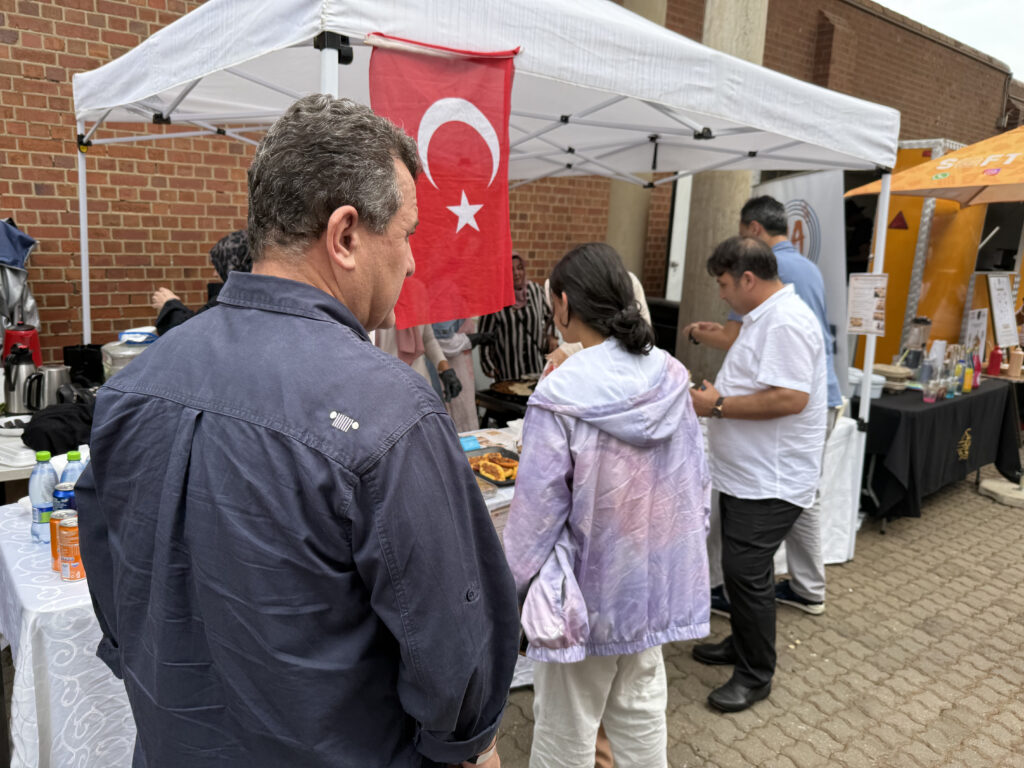
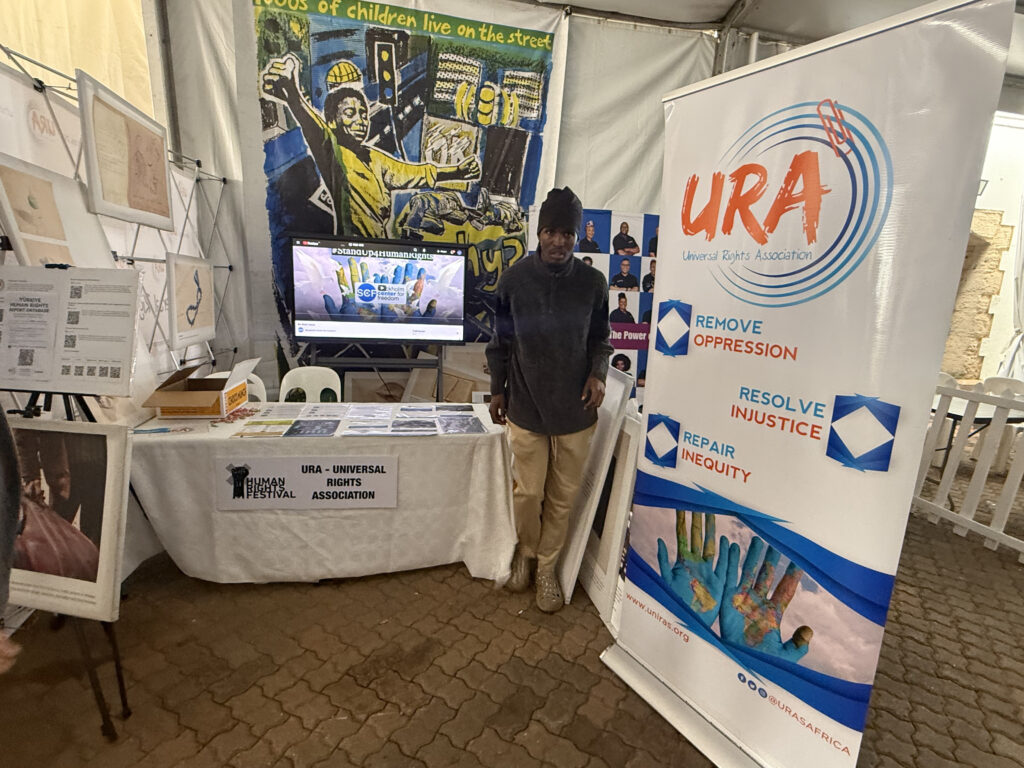
The Festival also had a variety of food stalls. The Universal Rights Association (URA) also had an appearance at the festival as their mission is to promote and protect human rights, upholding true democracy as well as peace and sustainable development which have been prescribed in the Universal Declaration of Human Rights. The organisation was founded in 2018 as they work to address injustice, inequality and oppression by means of engaging in legal advocacy.
The Director of the URA, Enes Gungoren, was in attendance at his stand at the festival and spoke of the critical ways that his organisation impacts human rights issues and highlighting their pride in being part of the festival.
“We are proud to be part of the Human Rights Festival 2026 at Constitution Hill, where civil society, young people, and the public come together to engage in meaningful conversations around human rights,” said Gungoren.
“At URA, our work focuses on raising awareness, advocacy, and building connections across communities-both locally and internationally. We aim to create spaces where people can better understand their rights and engage with systems that are meant to protect them” said Gungoren further.
The festival had a wide range of activities and engagements to follow throughout the day in the morning there were panel discussions on Apartheid-era housing, conversations on the Just Energy Transition as well reflections on the 30th anniversary of the South African constitution.
The matter of land redistribution was also a focal discussion at the festival. There were also activities and engagements on offer for the youth in which there panel discussions questioning whether or not the youth is represented as adequate and fair representation of the LGBTQI+ community in South African television and film.
1000 drums for solidarity and humanity was one of the communal based activities at the festival in which festival goers could participate in drumming on small djembe drums in order to show solidarity with the people of Palestine, Democratic Republic of Congo and Sudan.