
By Lesedi Sibiya-Diplomatic Insider
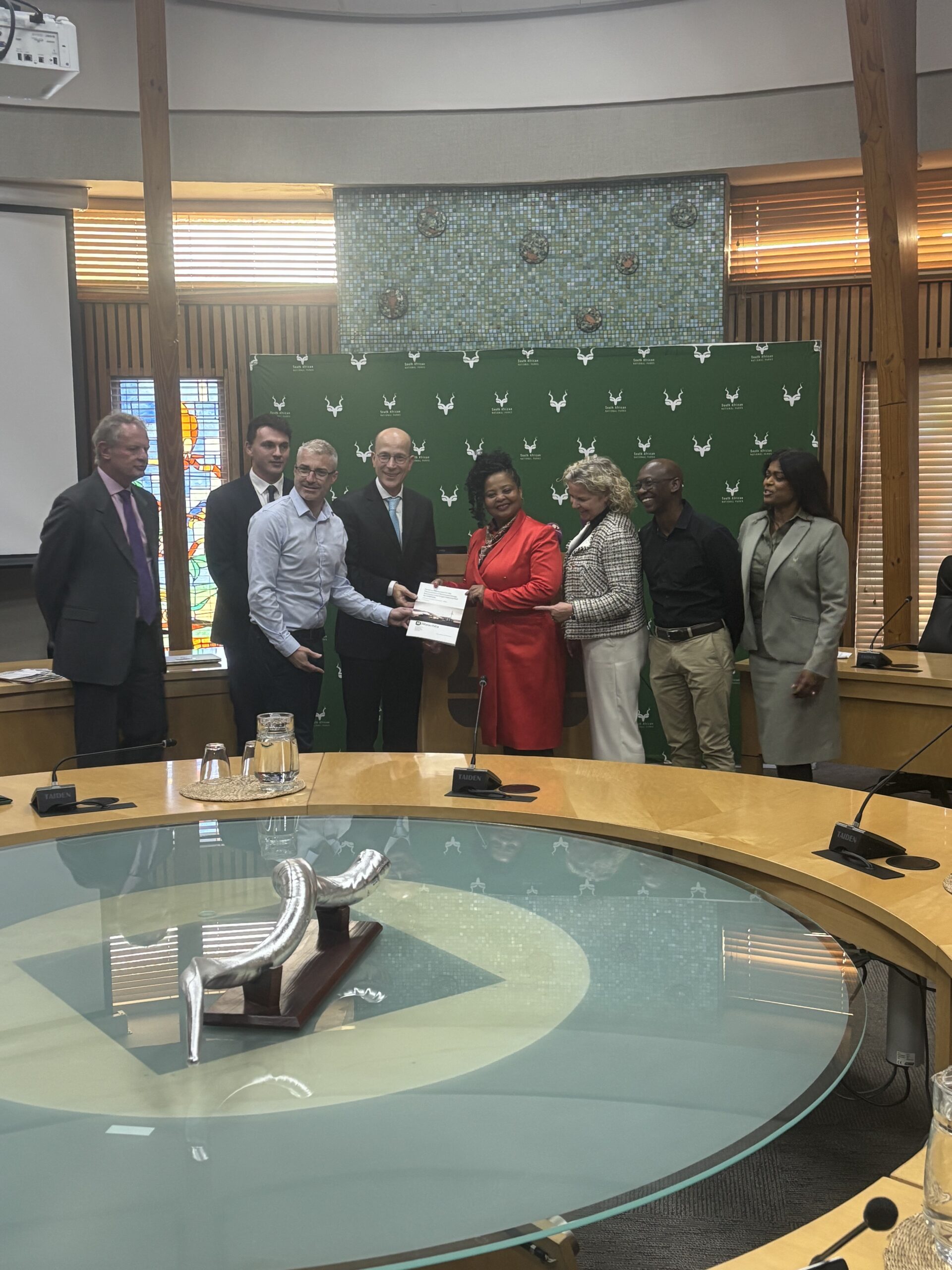
Germany’s handing over of the first phase of renewable energy project to South African National Parks was made official by way of the German embassy, in order to create a greener and more reliable power in the country’s most revered conservation areas.The handover of the project took place on 3 June 2026, at the SANParks head office in Muckleneuk, Pretoria.
The Ambassador of Germany, Andreas Peshcke, had facilitated the handing over process to SANParks CEO, Hapiloe Sello. The South African National Parks collaborated with the German Public Development Bank as the programme will assist SANParks with shifting from purely fossil-fuel and grid electricity to using purely renewable resources and methods.
The first phase of this programme entails the Kruger National Park Renewable Energy feasibility study which provides a detailed road map for greener power in what is considered one of South Africa’s most beloved national parks.
The Kruger National Park faces down the barrel of a variety of energy challenges with frequent load shedding as well as unreliable national grid has forced the park to rely on diesel generators which harm the environment by polluting the air.
This feasibility study provides a cost effective and cleaner solution which will ensure the safety of the environment and enhance the tourism experience.
The study had reviewed the Kruger National Park’s current and future energy needs with its goals being aimed at; optimising the park’s current and future energy demands so that nothing is seemingly wasted, guiding the purchase of renewable energy and storage systems that could potentially meet 80% of the Kruger’s electricity needs from clean sources, to help SANParks move away from fossil fuel utility power to renewable energy consumption, making the Kruger energy resilient during times when grid electricity proves unreliable.
They aim to achieve these goals by focusing on solar, wind and battery storage as the plan also aims to minimise carbon emissions and create more stable power supply for the lodges, staffing houses, visitor facilities and research stations.
Apart from the Kruger being a beautiful tourist destination, its other function is to also preserve the wildlife, support the local communities and bring in an influx of tourist income. But the constant unreliable power sources harm the wildlife and tourist experience with the constant instances of generators rumbling day and night.
With the switch to renewable resources this will create an experience that is marked by cleaner air and a smaller carbon footprint and put to ease the concerns marked by the eco-conscious visitors of the park.
SANParks CEO has moved to make sustainability her number one priority since taking the reins as the plan which will be backed by Germany fits perfectly with SANParks wider goal of creating net zero emissions across all the parks country wide.
This project is also a positive step forward in bilateral relations and providing critical help where it’s needed the most. Germany’s longstanding support for biodiversity and climate action in Africa remains prevalent and marks a clear example of how international cooperation can be fruitful.
This handing over of the study is only the first step, as SANParks will now purchase the renewable systems which will be needed for the Kruger National Park.
These plans could also help guide the creation of larger solar farms, battery storage as well as smart energy management which will be rolled out across the park and eventually to all the national parks in the country.
South African National parks in collaboration with its German partners are not only holding a dialogue regarding a greener future, but actively actualising it one park at a time.