
By Neville Matjie
South Africa’s founding President and global icon, Nelson Mandela, dreamt of a united Africa that would overcome its shared challenges and unlock its immense potential through collective action. He famously said: “I dream of the realisation of the unity of Africa, whereby its leaders combine in their efforts to solve the problems of this continent.”
Mandela’s vision remains as relevant today as ever. He understood that Africa’s development could not be achieved by nations acting alone. More than a century after the Berlin Conference divided the continent, the lesson remains clear: Africa is strongest when it acts with unity and purpose.
This principle has guided South Africa’s engagement with the continent since the dawn of democracy. Through an enduring commitment to African unity, peace and development, South Africa has worked to strengthen continental cooperation and elevate Africa’s voice on the global stage.
South Africa has positioned itself not only as a champion of African unity, but as a builder of the institutions and partnerships that make it a reality. Through the African Union and the United Nations, it has supported peacekeeping, conflict mediation and post-conflict reconstruction efforts across the continent. Landmark interventions in Burundi, Sudan and the Democratic Republic of Congo have helped foster stability and create conditions for sustainable development.
Simultaneously, South Africa has leveraged its presence in global forums such as the G20, G7, BRICS and the United Nations to reshape conversations that too often excluded African perspectives. The country has championed reform of international financial institutions, greater access to development finance and sustainable debt relief, helping to position Africa as an influential voice in shaping a more equitable global order.
Advancing Continental Economic Integration
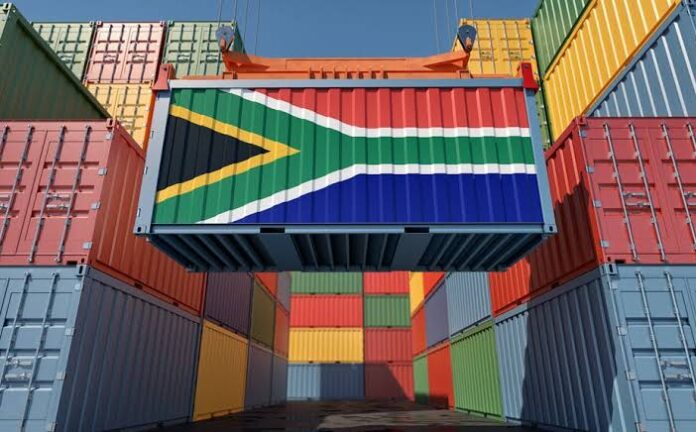
Beyond diplomacy, South Africa’s most transformative contribution lies in its commitment to continental economic integration. The African Continental Free Trade Area (AfCFTA) offers an unprecedented opportunity to create the world’s largest free trade area, connecting more than 1.3 billion people across a combined GDP exceeding $3.4 trillion.
South Africa is one of the continent’s largest sources of foreign direct investment, with South African companies playing a significant role in banking, telecommunications, retail, mining, energy, manufacturing and logistics. These investments support economic growth in host countries by creating jobs, transferring skills and technology, expanding access to financial and communication services, and strengthening local supply chains.
Through the AfCFTA, South Africa is also helping to reduce non-tariff barriers that hinder intra-African trade. By lowering administrative costs and simplifying market access requirements, the country is creating a more enabling environment for products from other African countries to enter the South African market. This supports greater trade, industrialisation and regional value chain development.
In the energy and infrastructure sectors, South African firms have invested in renewable energy projects, transport networks and industrial facilities that improve productivity and competitiveness. Collectively, these investments contribute to increased tax revenues, higher levels of economic activity, stronger regional integration and sustainable development across the continent, reinforcing South Africa’s role as a key partner in advancing Africa’s shared prosperity under the AfCFTA framework.
Closer to home, South Africa’s partnerships with neighbouring countries continue to deepen regional integration. A recent State Visit to Mozambique strengthened cooperation in trade, infrastructure and energy, building on the success of the Maputo Development Corridor. Engagements with Botswana have similarly reinforced economic ties within both the Southern African Development Community (SADC) and the Southern African Customs Union (SACU).
Within SADC and SACU, South Africa is championing an industrial strategy supported by its proposed Industrial Development Action Plan and the SACU Development Fund. Together, these instruments are intended to help move the region up global value chains by financing critical infrastructure, supporting industrialisation and creating jobs.
This economic cooperation is also anchored by long-standing alliances such as the South Africa-Nigeria Bi-National Commission, established in 1999. The commission connects the continent’s two largest economies through more than 34 bilateral agreements aimed at expanding trade, deepening investment and strengthening industrial integration.
These bilateral efforts form part of a broader strategy to build a more integrated and competitive African economy. Through transformative initiatives such as the North-South Development Corridor, South Africa is helping advance the roads, railways, ports and digital networks needed to unlock the full potential of the AfCFTA. Its role as host of the Pan-African Parliament in Midrand, Gauteng, further provides a permanent platform to harmonise legislation and strengthen democratic governance across borders.
Solidarity in Times of Crisis
South Africa’s commitment to the continent is most visible in moments of crisis, when solidarity must translate into action. When catastrophic floods and Cyclone Idai struck Mozambique, Malawi and Zimbabwe, South African rescue teams provided critical lifesaving relief on the ground.
During the COVID-19 pandemic, South Africa led calls for global vaccine equity and championed localised medical manufacturing at a time when vaccine nationalism threatened to leave developing nations behind. This leadership earned the country the role of AU Champion on Pandemic Prevention, Preparedness and Response.
Working with the Africa Centres for Disease Control and Prevention, South Africa continues to strengthen health systems, support the African Medicines Agency and promote coordinated procurement systems to improve access to essential medical supplies. Its pledge of $13.5 million to the Africa CDC to help treat and contain the recent Ebola outbreak reflects a broader commitment to supporting Africa’s ability to respond to shared challenges collectively.
More than three decades into democracy, South Africa remains dedicated to Mandela’s vision of an Africa united in purpose, confident in its potential and determined to build a future of peace, prosperity and opportunity for all its people.
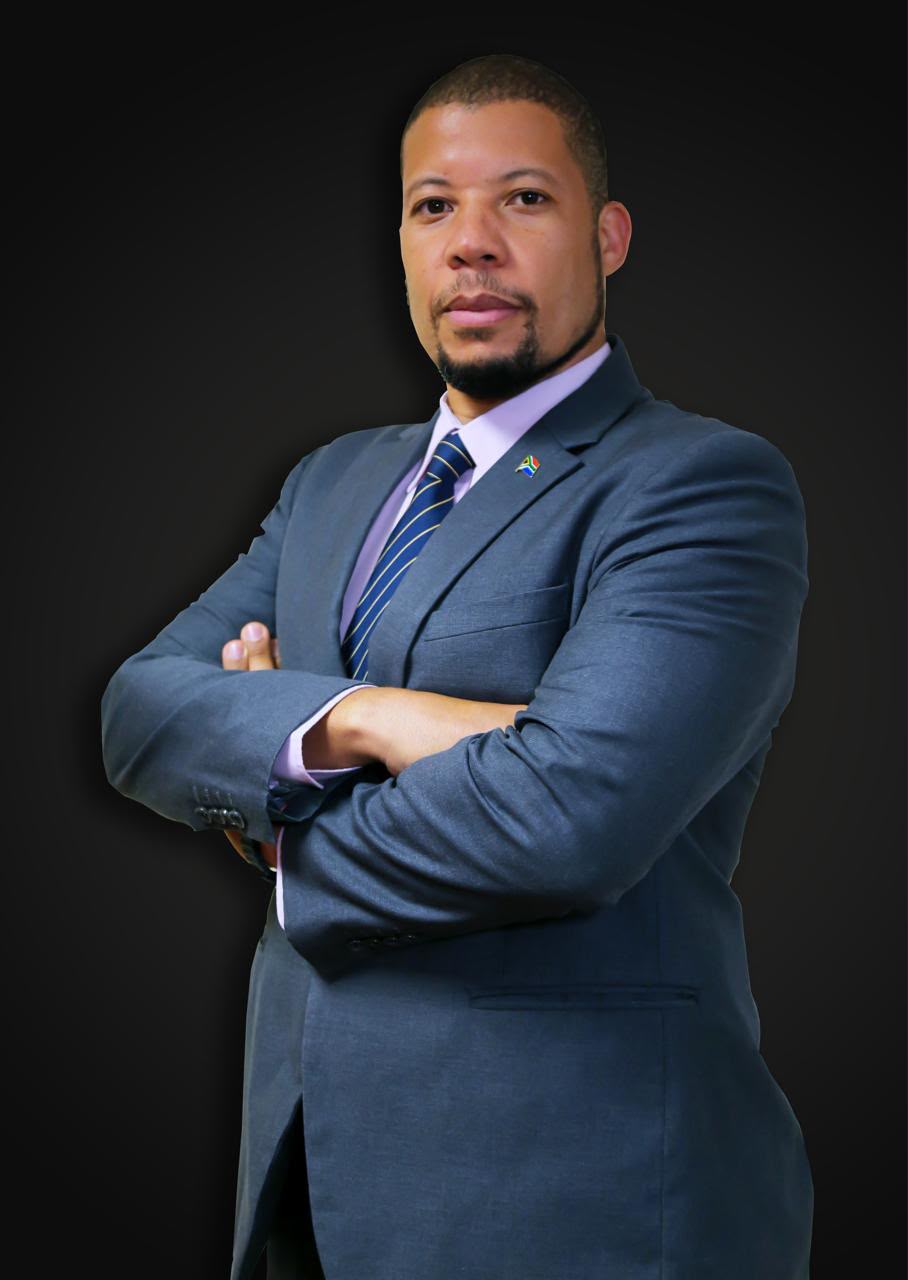
Mr Neville Matjie is the Chief Executive Officer for Brand South Africa, the agency mandated with managing the image and reputation of the country.