
By Nombini Mehlomakulu
There are moments in a nation’s history when attention becomes a national asset. For South Africa, the G20 year was one such moment. Over the past twelve months our country became a global stage, a communication platform and, in many ways, the world’s visual billboard. As Johannesburg hosted the first G20 Leaders’ Summit on African soil, the advertising and creative industries found themselves at the heart of one of the most powerful narrative shifts our democracy has experienced since the 2010 FIFA World Cup.
This was more than an international meeting. It was a yearlong communications campaign that told a South African story to billions of people. The world arrived, the cameras rolled, and our creative economy rose to the occasion. South Africa hosted more than 200 G20 related meetings across the year. These included ministerial gatherings, working group sessions, women and youth forums, climate discussions, digital economy meetings, and financial tracks. Every event created visual and narrative opportunities. Every venue became a storytelling canvas. Every city that hosted delegates became part of a coordinated brand ecosystem that reflected our national identity and ambition.
From an advertising perspective, South Africa spent a year projecting the personality of a nation awake, capable and globally connected. OR Tambo International Airport carried the first impressions. Sandton, Rosebank, Cape Town, Durban, Tshwane and the Nasrec precinct offered daily examples of a country that knows how to communicate at scale. Public spaces became curated stages. Digital screens carried national messages. Live broadcast zones turned local spaces into international news environments.
The SABC, as the host broadcaster, gave the world a unified audiovisual experience of the summit. Local and global channels relied on it to shape the visual language of South Africa’s G20 presidency. For advertisers and communicators, this level of coordinated visibility is rare. Nations spend years trying to engineer moments of mass attention. In our case, the attention came because of leadership, diplomacy and Africa’s global relevance. Our creative sector simply had to step forward and bring that moment to life.
The G20 Leaders Declaration supported this visually charged moment with a set of themes that align closely with modern brand values. It prioritised inclusive growth, climate resilience, responsible digital transformation, disaster risk reduction and the need for fair and sustainable development. These priorities mirror what consumers increasingly expect from brands: responsibility, purpose and an interest in the long term wellbeing of society.
Advertising has always been a storyteller of national identity. During the G20 year, it became a storyteller of African ambition. South Africa’s creative economy used this moment to express confidence, capability and clarity. Our country was not presenting itself as a fragile state in need of rescue. We were presenting ourselves as a functioning, capable, globally connected economy with influence in shaping the future of the world.
Domestic sentiment played a complex role. South Africans are often frustrated with the state of the economy, the slow pace of reform and the challenges facing households. But as the G20 Leaders’ Summit approached, a subtle emotional shift occurred. People watched the arrival of world leaders. They saw our institutions functioning with discipline and precision. They saw global media reporting from Johannesburg with seriousness and respect. For a moment the everyday frustrations coexisted with a sense of national pride. The creative industry has always had the responsibility of reflecting the emotional reality of the country, but also of lifting its gaze. This year offered a perfect environment for that.
The advertising and communication sector now has a responsibility that extends beyond the summit itself. We need to help South Africa maintain this renewed narrative. We need to translate the diplomatic success of the G20 year into brand advantage. We need to create campaigns that highlight our country’s competitive strengths. We need to amplify stories of innovation, entrepreneurship and resilience. And importantly, we need to ensure that the world continues to see South Africa the way it saw us this year: as a nation with a voice, a perspective and a future worth investing in.
The G20 year was a national demonstration of what coordinated narrative building can look like. It gave the creative industry a twelve month runway to show its value. It showed that the advertising sector is not only a commercial actor but also a nation building force. If we hold onto this momentum and build on it, South Africa can turn this visual, narrative and reputational success into long term advantage.
Advertising is powerful when it reflects truth. And the truth is that South Africa showed up. We communicated our identity with pride. We embraced the world’s attention with confidence. We amplified a story of African leadership. And for the first time in a long time, the world listened.
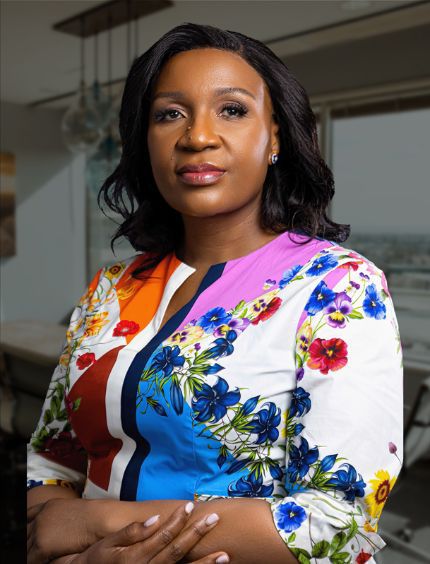
Mehlomakulu is the Managing Director of Ebony + Ivory Integrated Advertising Agency, and Director at Lwazi Capital.