

By Lesedi Sibiya-Diplomatic Insider
As South Africa finds itself at a balanced state since experiencing power supply instability businesses find themselves investing in private energy infrastructure.
This shift holds a deep effect for various sectors such as mining and logistics due to companies aiming to manage energy costs to reduce their reliance on the national grid and secure a long-lasting energy supply.
Solar power as well as off-grid solutions and hybrid systems are now becoming key components within business strategies as the focus has now shifted from not only adopting renewable energy technology to also carefully selecting reliable partners who will maintain the infrastructure.
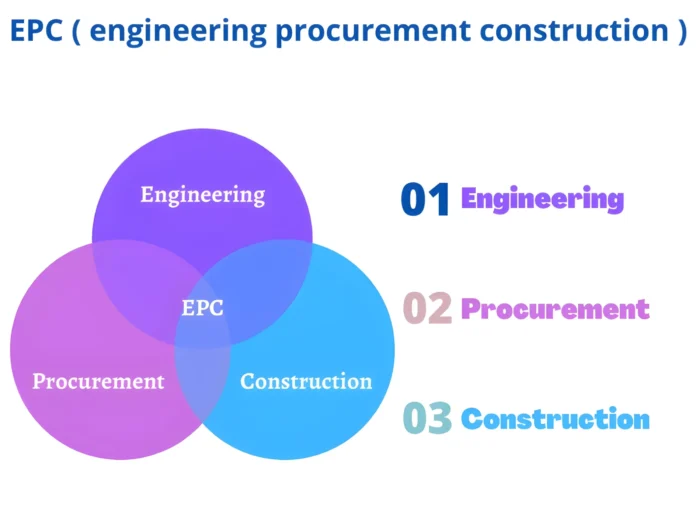
Engineering, Procurement and Construction (EPC) has begun to emerge as the most critical avenue in the renewable energy zeitgeist. Due to energy projects spanning for multiple decades, companies are beginning to recognise the long term consequences of choosing inexperienced or under qualified EPC providers.
Poor engineering and unqualified contractors not only minimise the anticipated financial benefits but more importantly also jeopardises people’s safety.
“In the past, businesses effectively had one electricity supplier. Now, the decision shouldn’t be driven by cost alone; there are several other important factors to consider” said Managing Director at RenEnergy, Claude Peters.
“Renewable infrastructure is not just about installing panels. It’s about engineering an energy system for reliability over decades,” he said further.
The seeming longevity of renewable projects means that selecting a formidable EPC partner transcends simple cost analysis.
Peters emphasised that inexperienced providers tend to misrepresent their capabilities which poses challenges for businesses looking to install sustainable energy infrastructure.
“Installing a few rooftop panels is a far cry from designing and building a complex commercial energy system” said Peters.
“I commend owners of large public and private buildings who have registered their properties for an energy performance certificate. Owners of these buildings had until 7 December 2025 to obtain this critical document” said Deputy Ministers of Electricity and Energy, Samantha Graham-Mare.
Graham-Mare continued to elaborate the long term benefits of having EPCs in terms of the reduction in the carbon footprint, lowering costs of business owners and a direct contribution to energy security.