By Lesedi Sibiya-Diplomatic Insider
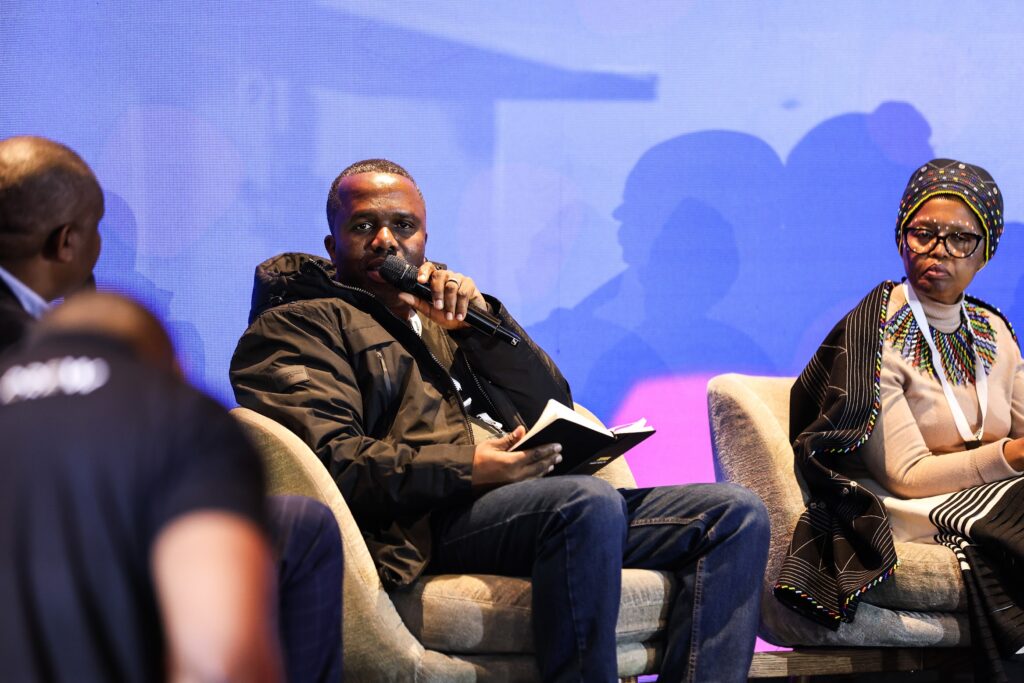
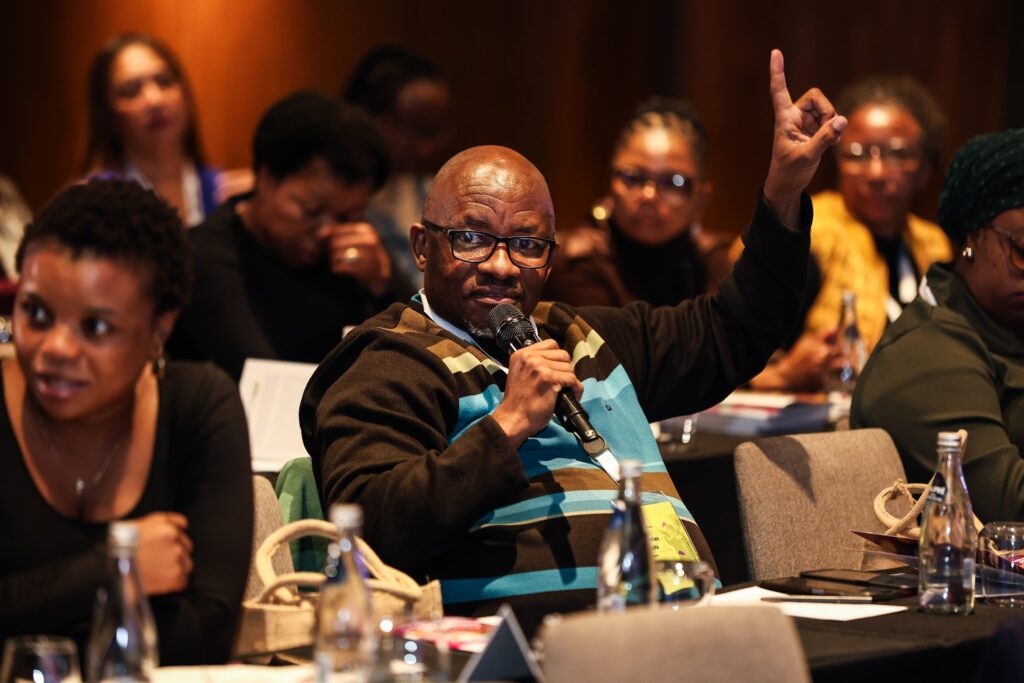
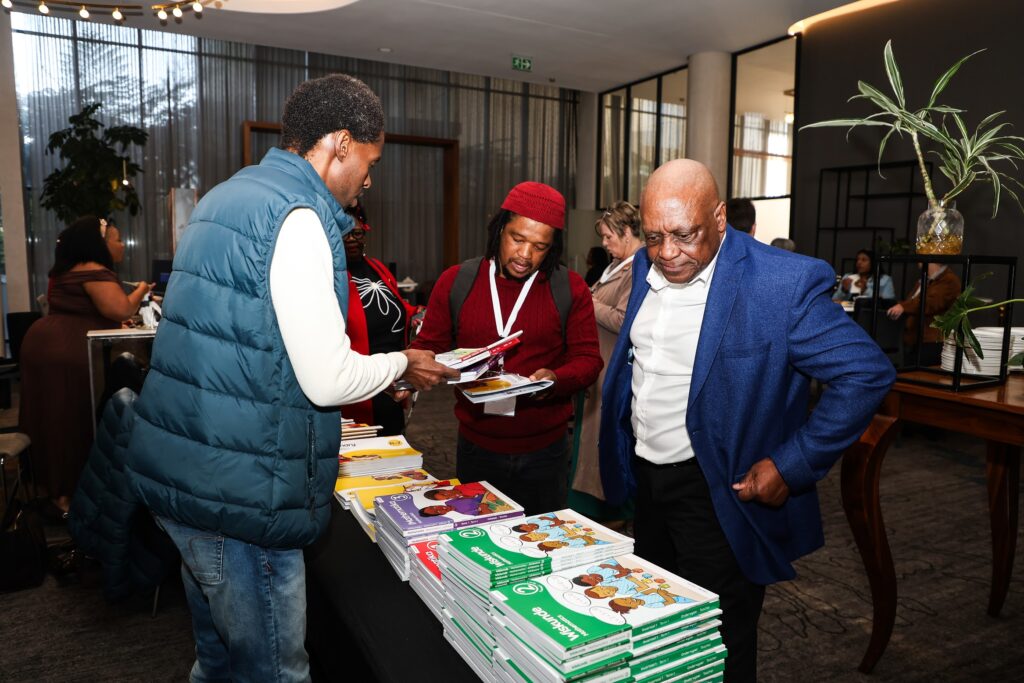
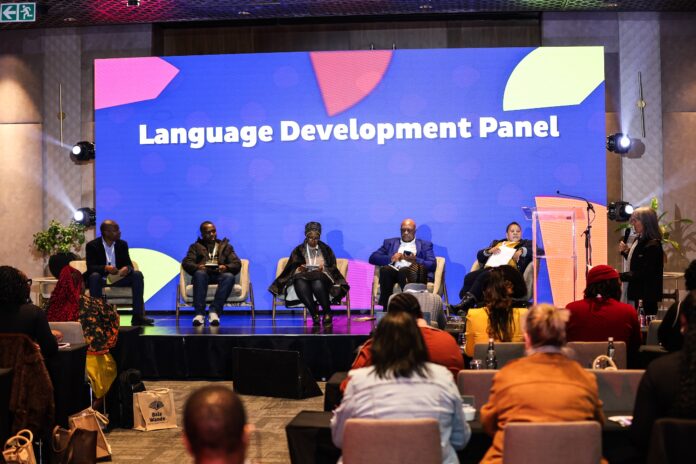
The education non-profit organisation Funda Wande in tandem with Wits School of Education, held a symposium at the Houghton Hotel on 29 May in order to unveil the first joint literacy-mathematics study in South Africa which is aimed at reshaping the approach to language in the classroom in thousands of primary schools across the country.
This study which is currently in its third year tracks what is known as the Teacher Professional Development (TPD) across 30 schools within Limpopo North and South districts which sees the involvement of over 40 teachers and over 1,300 learners per grade.
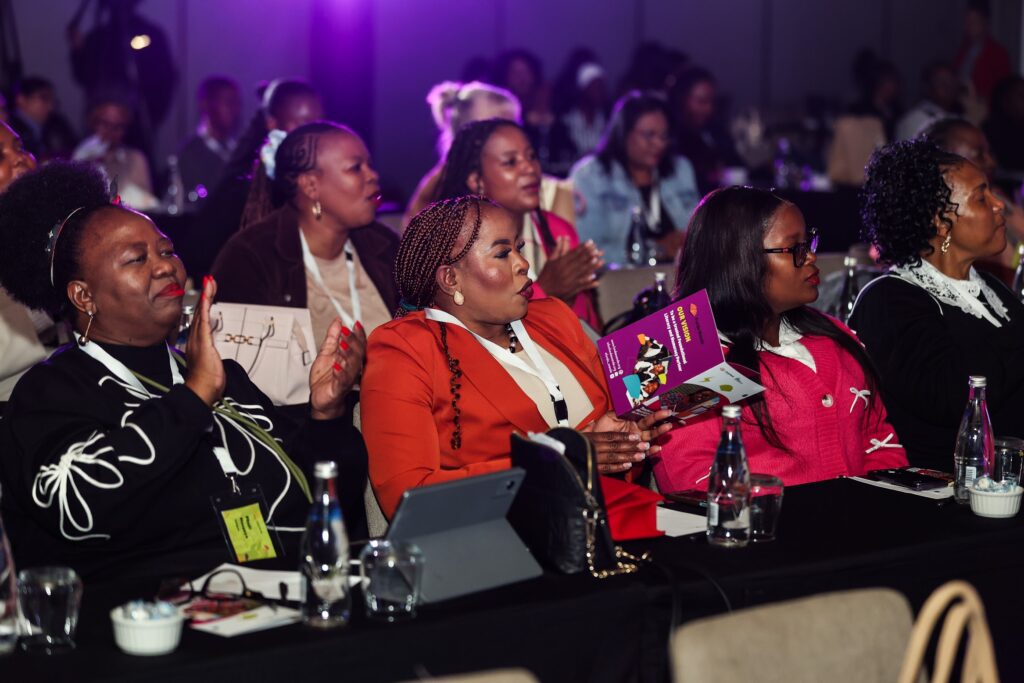
South Africa introduced Mother Tongue-Based Bilingual Education (MTBBE) in 2025 which aims to have mathematics, science and technology be taught in the learner’s home language from Grade 4-7 and lessen the amount of English based teaching significantly but brought in small doses.
The bilingual education policy requires proportional language splits with 80% of lessons to be held in the home language of the learners and then introduce a 50-50 system by Grade 7.
“Meaning-making in mathematics is not simply about teaching in an African language, or using multiple languages in a classroom” said Professor Anthony Essien of the Wits School of Education.
“It requires a deliberate approach where teachers draw on the full linguistics repertoire of their learners, in a structured and purposeful way, to give children genuine access to mathematical knowledge” he said further.
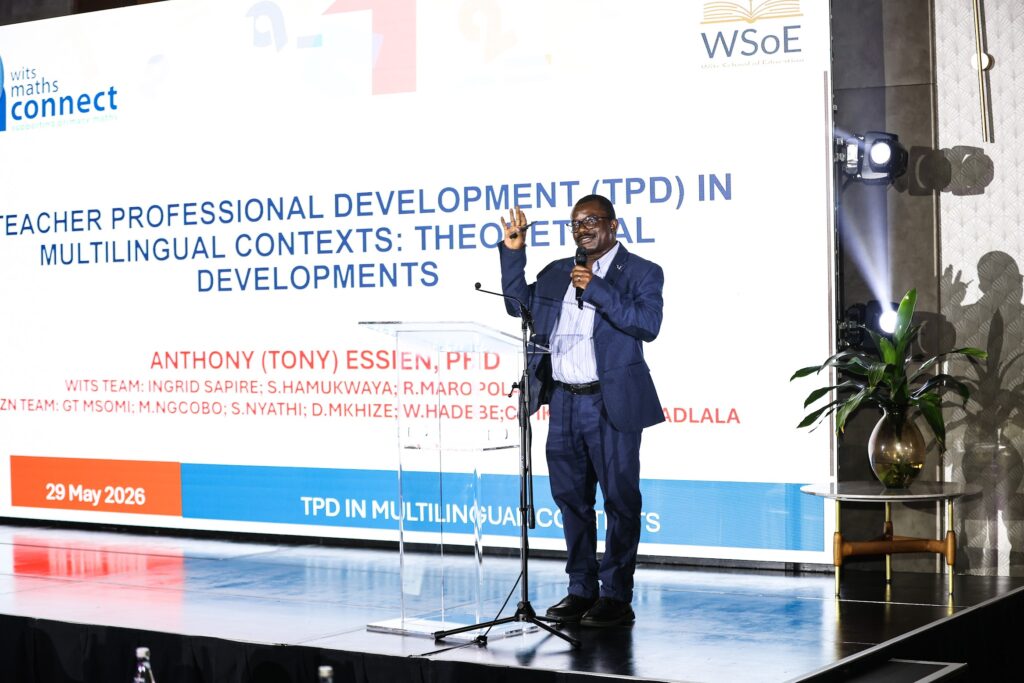
Professor Essien and his team presented a newly developed merger framework in the symposium called Translanguaging and Language-Responsive Mathematics Teaching (LRMT).
Translanguaging is the planned use of learners’ full linguistic repertoires during instruction which aims to inspire teachers to not treat the learner’s language as a secondary or rather separate fraction of their education but rather integrated in order to build understanding within the learners
. Language-Responsive Mathematics Teaching which was developed by Susanne Prediger, aims to fuse language learning goals with mathematics content goals, and highlights that learners won’t be able to grasp math concepts without having a firm grasp on their own language.
According to the research correlating with MTBBE, it is found that provinces like Limpopo and Kwa-Zulu Natal are not bilingual but rather multilingual with learners primarily within the Capricorn North constitute learners with strong backgrounds in Sepedi as opposed to children that come from different language backgrounds entirely as the ratio sits at 80:20.
The mission of Funda Wande is that by 2030 every child in the country will have the ability to read and calculate with confidence by the age of 10.
The limpopo intervention is now already tracking Grade 3 learners in 2026 is now considered one of the most challenging studies of teacher professional development in multilingual mathematics classrooms undertaken within the country.